Created by - Clarity Architects
Earthquake-resistant architecture guide
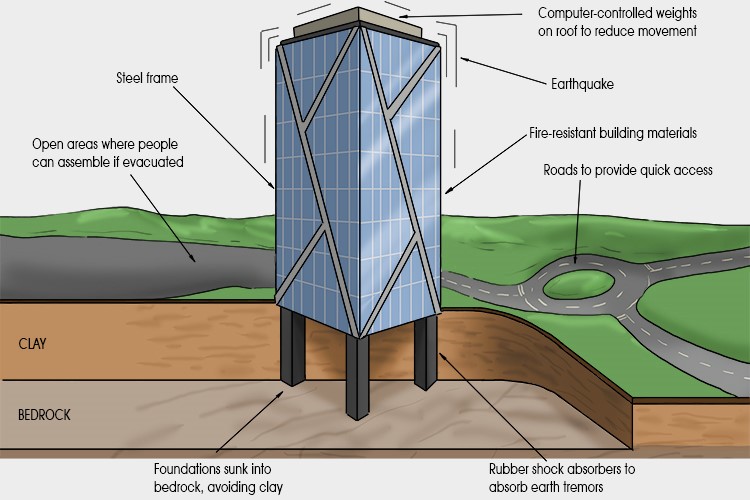
Earthquakes strike without warning, and the safest defense is a building designed to absorb, resist, and transfer seismic forces efficiently. Modern earthquake-resistant structures combine strong framing, ductile detailing, shear walls, and advanced technologies like base isolation and dampers. This guide explains — in practical language — how buildings are designed to stay stable during seismic shaking.1. Core Principles of Earthquake-Resistant Design✔ Continuous Load PathAll seismic forces must travel from the roof → floors → beams → columns → foundation → ground. Any weak connection can cause failure.✔ DuctilityMaterials and structural joints must bend without breaking. Ductile structures absorb more energy and prevent sudden collapse.✔ Symmetry & Regular GeometrySimple rectangular shapes perform better because they distribute seismic forces evenly. Irregular (L-shape, U-shape, soft corners) buildings twist during shaking.✔ Avoiding Soft StoriesGround floors with open parking or large glass facades must be reinforced. Soft stories collapse frequently during earthquakes.2. Structural Systems Used in Earthquake-Resistant Buildingsa) Moment-Resisting FramesColumns and beams work together to resist bending and lateral movement.b) Shear WallsVertical walls made of reinforced concrete resist horizontal shaking. Used in high-rise towers and apartment buildings.c) Braced FramesDiagonal steel braces create strong triangular frames. Highly effective for industrial and commercial buildings.d) Base IsolationRubber bearings or sliders placed between the building and foundation absorb motion — the building shakes less because the ground shakes below it.e) Energy DampersAct like shock absorbers in cars. They reduce vibration and protect structural components from damage.3. Foundation & Soil Considerations✔ Soil Testing (Geotechnical Investigation)Weak soil = more shaking Loose sandy soil = risk of liquefaction Engineers design foundations accordingly.✔ Foundation Types Raft foundation Pile foundation Mat foundation All selected based on soil type and seismic zone. 4. Critical Structural Detailing✔ Beam–Column Joint StrengtheningMost earthquake failures start at the joints. Proper rebar anchorage, stirrups, and confinement are crucial.✔ Proper Rebar Spacing & HooksEnsures ductility. Prevents brittle shear failure.✔ Limiting Large OpeningsWindows/doors weaken walls — sizing and placement must follow seismic codes.✔ Bracing & Wall ContinuityWalls should be aligned vertically and horizontally for better load transfer.5. Architectural Planning Principles Keep the building shape simple. Avoid unnecessary cantilevers. Distribute mass evenly on each floor. Maintain vertical and horizontal alignment of structural elements. 6. Retrofitting Existing BuildingsOlder buildings can be strengthened using: Shear wall addition Steel bracing Jacketing of columns Base-isolation retrofitting in critical buildings Dampers for vibration control Retrofitting is often cheaper than rebuilding.7. How Earthquake Loads Travel Through a Building (Simple Explanation) Earthquake shakes the ground. Ground motion hits foundation. Foundation transfers force into columns and shear walls. Columns → beams → floors carry the load upward. Structural system dissipates energy using ductility, framing, and dampers. This “load path” must be strong and continuous.ConclusionEarthquake-resistant building design is not just about stronger materials — it’s about smarter engineering. When load paths are continuous, structural systems are well-chosen, and detailing is precise, buildings can survive even strong quakes. For professional projects, always follow international codes like ASCE 7, IBC, Eurocode 8, or BNBC (Bangladesh National Building Code).
More detailsPublished - Mon, 24 Nov 2025
Created by - Clarity Architects
Earthquake Proof Building Design: ভূমিকম্প-প্রতিরোধী ভবন ডিজাইনের সম্পূর্ণ গাইড
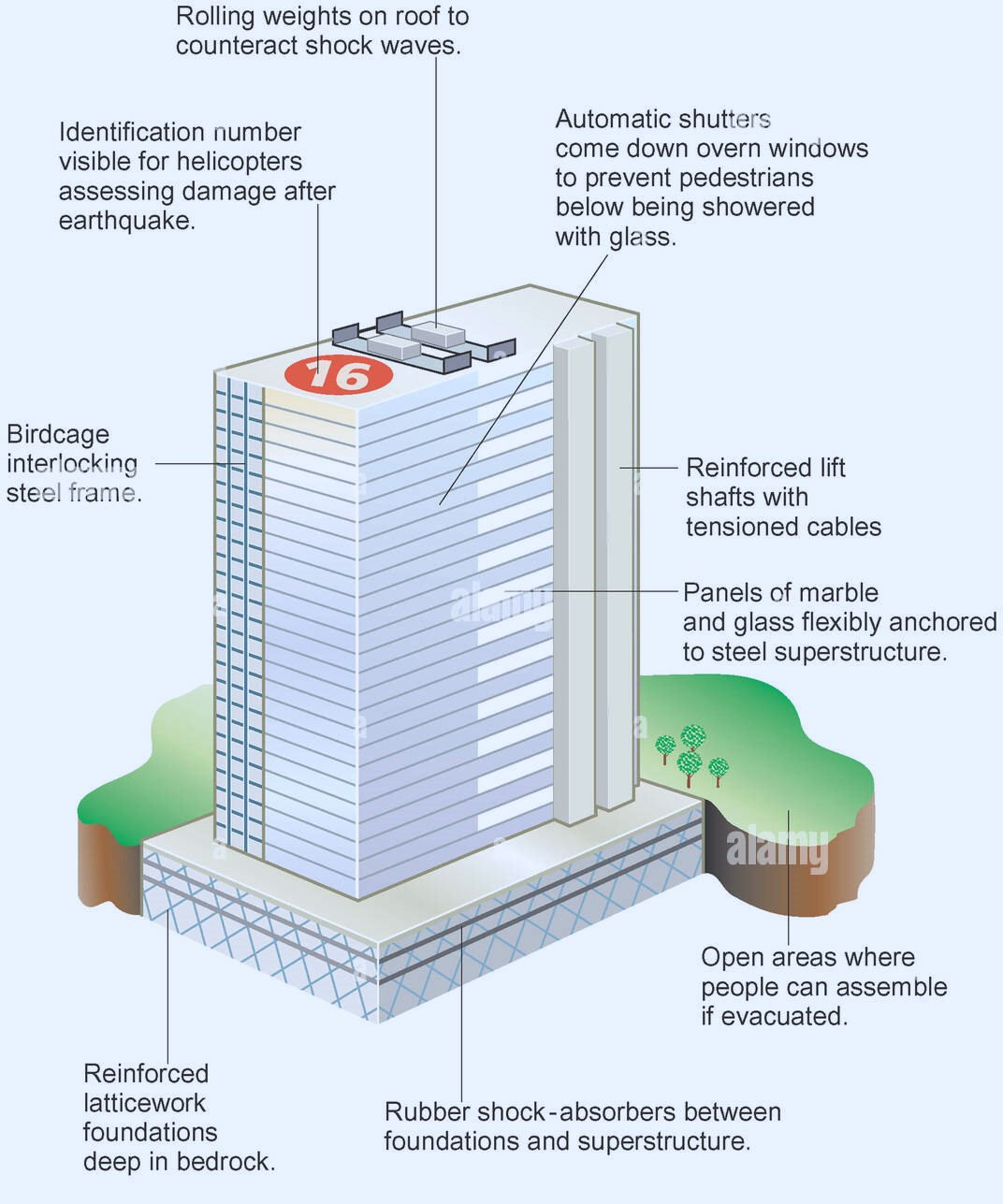
ভূমিকম্প-প্রতিরোধী ভবন ডিজাইন: কেন প্রয়োজন?ভূমিকম্প এমন একটি প্রাকৃতিক দুর্যোগ যা আগে থেকে বোঝা কঠিন। মাটি দোল খেলে ভবনের উপর আনুভূমিক (lateral) এবং উল্লম্ব (vertical) দুই ধরনের বল কাজ করে। সঠিক ডিজাইন না হলে ভবন হঠাৎ ধসে যেতে পারে। এই কারণে “Earthquake Proof Building Design” অত্যন্ত গুরুত্বপূর্ণ।১. শক্তিশালী Load Path নিশ্চিত করালোড-পাথ হলো ভবনের ভেতর দিয়ে শক্তি মাটিতে পৌঁছানোর পথ।Roof → Beam → Column → Shear Wall → Foundation → Soil এই পথ যদি কোথাও দুর্বল হয়, ভবন ঝুঁকিতে পড়ে।২. কাঠামোগত সিস্টেম (Structural Systems)A) Moment-Resisting Frameকলাম ও বিম এমনভাবে যুক্ত থাকে যাতে ঘূর্ণন (moment) সহ্য করতে পারে। → মধ্যম-উচ্চ ভবনে খুব কার্যকর।B) Shear Wall Systemমজবুত কংক্রিটের উল্লম্ব দেয়াল যেগুলো ভূমিকম্পের ল্যাটেরাল ফোর্স প্রতিরোধ করে। → উচ্চতর ভবনে অবশ্যই থাকা উচিত।C) Braced Frame SystemDiagonal ব্রেসিং দিয়ে ত্রিভুজ আকৃতি তৈরি হয়—যা শক্তি দ্রুত নিচে নামায়। → স্টিল স্ট্রাকচারে বেশি ব্যবহৃত।D) Base Isolation Systemভবনের নিচে Rubber Bearing বা Sliding Pads বসানো হয়। ভূমিকম্পে মাটি দুললেও ভবন কম নড়ে — সম্পূর্ণ নিরাপদ প্রযুক্তি। → হাসপাতাল, কমিউনিটি ভবন ও গুরত্বপূর্ণ প্রকল্পে ব্যবহৃত হয়।E) Energy DampersShock absorber এর মতো কাজ করে। → ভবনের দোল কমিয়ে দেয়।৩. মাটি পরীক্ষা ও ফাউন্ডেশন ডিজাইন✔ Soil Test (Geotechnical Investigation)দুর্বল মাটিLiquefaction ঝুঁকিপানির স্তর এসব অনুযায়ী ফাউন্ডেশন নির্বাচন করতে হয়।✔ Foundation Types:Pile FoundationRaft FoundationMat Foundation সবই মাটির ধরন ও ভবনের উচ্চতার উপর নির্ভর করে।৪. Structural Detailing: সবচেয়ে গুরুত্বপূর্ণ অংশভূমিকম্পে প্রথম ক্ষতি হয় জয়েন্টে। → সঠিক rebar anchorage ও stirrup spacing ব্যবহার করতে হবে।উপাদান যাতে ভাঙার আগে বাঁক নিতে পারে।গ্রাউন্ড ফ্লোর ওপেন রাখলে (যেমন—পার্কিং) শিয়ার ও ব্রেসিং দিয়ে শক্তিশালী করতে হবে।বড় জানালা/দরজা ভবনকে দুর্বল করে। সঠিক কোড-অনুযায়ী ডিজাইন জরুরি।৫. আর্কিটেকচারাল ডিজাইনে করণীয়ভবনের আকৃতি যত সাদামাটা, পারফরম্যান্স তত ভালোMass & weight distribution সমান রাখতে হবেVertical alignment বজায় রাখতে হবেCantilever কম ব্যবহার করা উচিতStair-core ও lift-core ভবনের শক্তি বাড়ায়৬. পুরনো ভবনে Earthquake Retrofitযেসব ভবন আগের নিরাপত্তা মান অনুসরণ করে নাই, তাদের—Shear Wall যোগ করাSteel Bracing বসানোColumn JacketingFRP WrappingBase Isolation Retrofit এভাবে আপডেট করা যায়।৭. ভবন ধসে পড়ার সাধারণ কারণSoft story failureBeam-column joint দুর্বলOverloaded structureLow-quality concretePoor soil investigationWrong detailingএই ভুলগুলো এড়ালেই ভবন অনেক নিরাপদ হয়।Conclusionএকটি Earthquake Proof Building Design শুধু শক্তিশালী উপকরণ দিয়ে তৈরি হয় না— বরং সঠিক structural system, detailing, load path, soil test, এবং architectural planning মিলিয়ে তৈরি হয়।সিসমিক ডিজাইনে আন্তর্জাতিক স্ট্যান্ডার্ড অনুসরণ করা জরুরি:BNBC, ASCE 7, IBC, Eurocode 8সঠিক পরিকল্পনা ভবনকে রক্ষা করতে পারে, জীবন বাঁচাতে পারে।✔ লোড-পাথ ধারাবাহিক হতে হবে✔ প্রতিটি সংযোগ (জয়েন্ট) শক্তিশালী হতে হবে✔ দেয়াল, কলাম ও ফাউন্ডেশন একে অপরের সাথে সঠিকভাবে সংযুক্ত হতে হবে✔ Beam-Column Joint শক্তিশালী করা✔ Ductility নিশ্চিত করা✔ Soft Story এড়ানো✔ Overhang, বড় খোলা জায়গা কমানো
More detailsPublished - Mon, 24 Nov 2025
Search
Popular categories
2026 FIFA World Cup
16Home Interior
9CAD BLOCKS
3Office Design
2Building
2Living Room
1Latest blogs
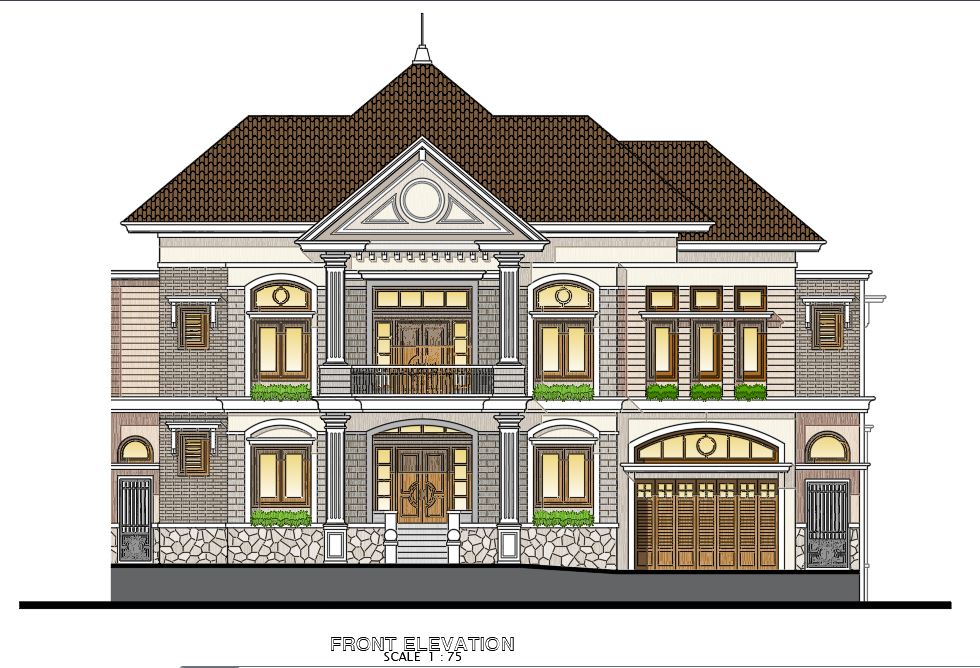
Two-Storey Residence House Design AutoCAD Drawing (2026 Modern Architectural DWG Plan for Family Homes)
2 Days Ago
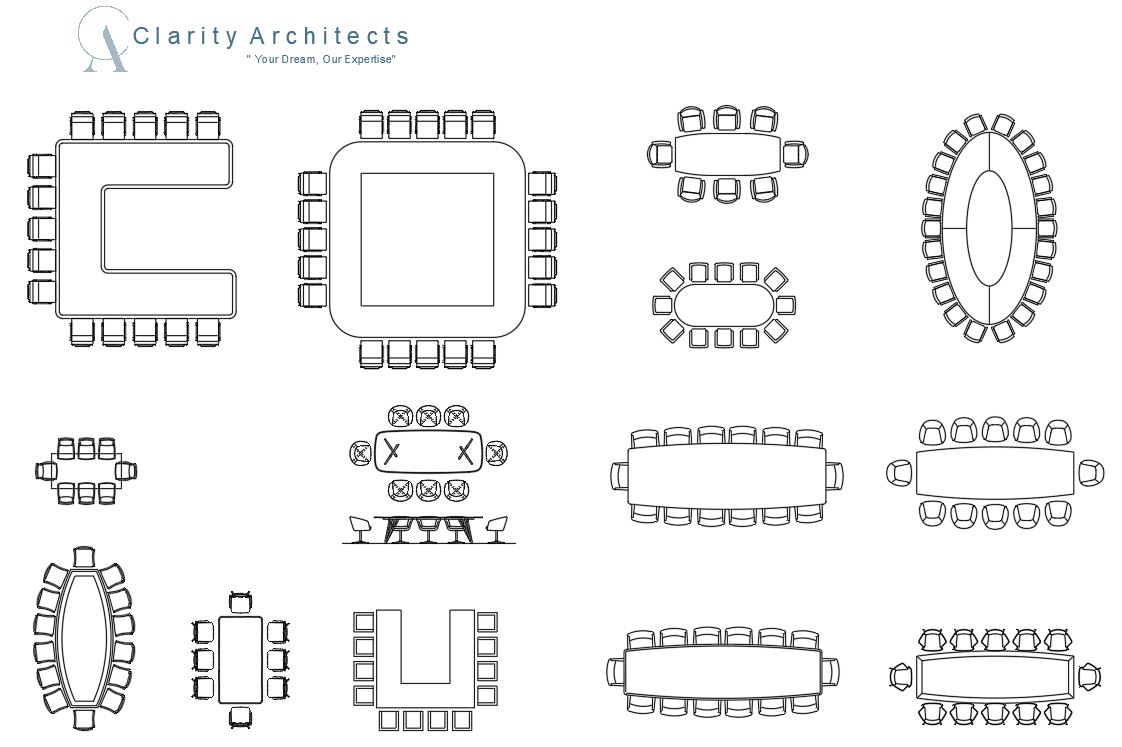
CAD Blocks: Complete Guide to Free & Premium CAD Drawing Blocks for Architects, Interior Designers & Engineers (2026 Global Standard)
2 Days Ago

Top Interior Trading Materials in 2026: Modern Construction & Interior Design Trends for Homes, Offices & Commercial Spaces
2 Days Ago
Write a public review