Created by - Clarity Architects
Modern Office Room Design Ideas to Transform Your Workspace in 2025
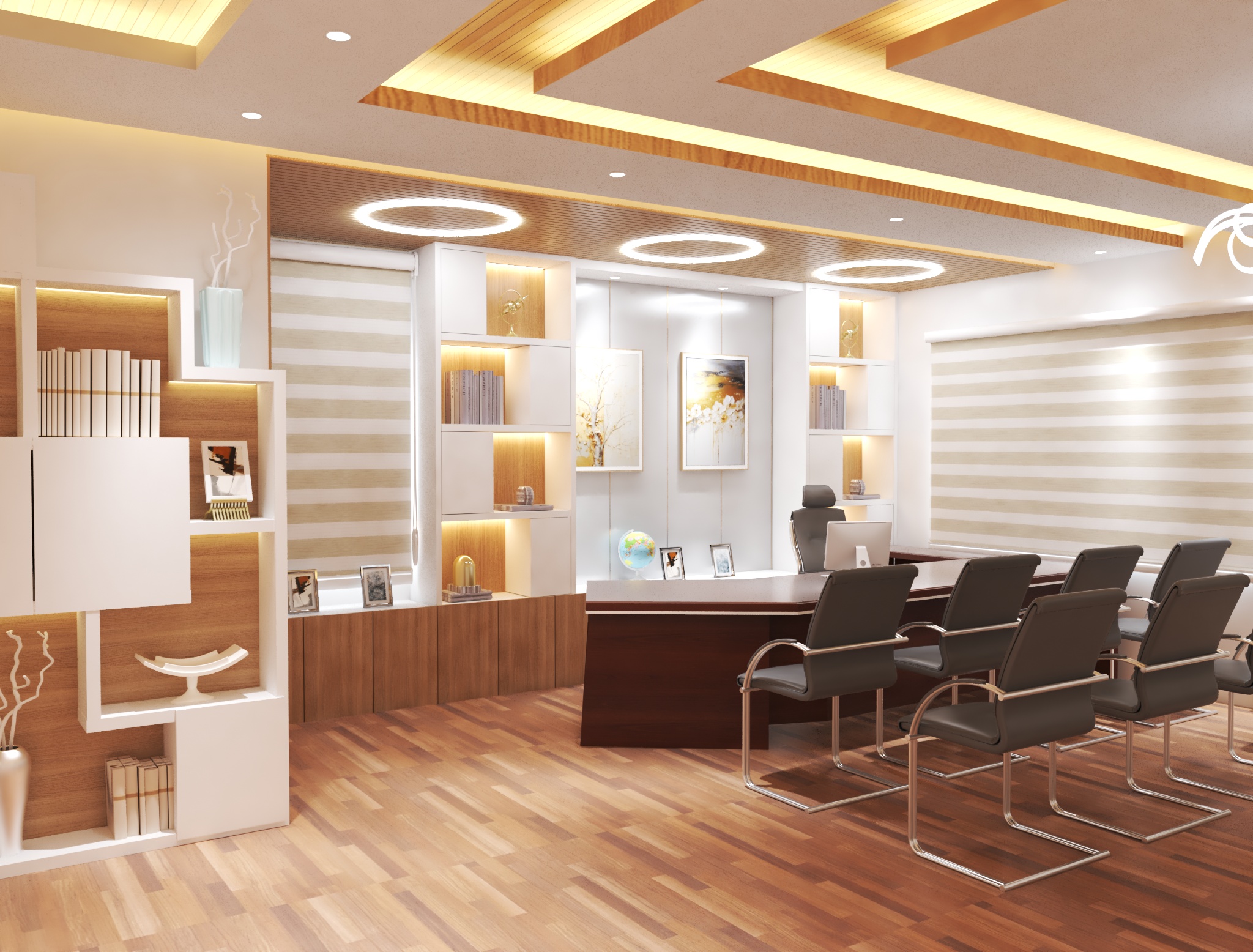
Modern CEO Office Room Design, we made this design in a Modern design concept at once. See the CEO Office Room Design space design below, Modern minimalist CEO Office Room Design with V-Ray render – ideal for interior designers and architects1. The Core Elements of a Modern Office RoomA modern office design typically blends functionality with aesthetics. Here are the core components: Minimalist Layouts: Open, clutter-free spaces that promote mental clarity. Neutral Color Palettes: Whites, greys, earthy tones, and black accents for a professional look. Natural Light Optimization: Large windows, glass partitions, skylights. Ergonomic Furniture: Adjustable desks, supportive chairs, footrests. Smart Technology Integration: Wireless charging, AI lighting, virtual assistant integration. You can get a good idea by looking at our design.✅ 1.Color Combination: Here we have made it in white & wooden combination, color materials -Enamel paint, Plastic Paint, docu paint.✅ 2.Lighting Combination: Very minimalist simple light is used, hidden Light, t-5 Light, Wall Light, used 3d model.✅ 3. Texture Combination: Here some White & wooden tones are used according to the concept of the room.✅ 4.Design Style: Modern.Render view ✅Premium executive desk with minimalist form and functional layout – perfect for CEO rooms and high-end corporate setups.✅"This Luxury CEO Office Room Design has been created by our team -Clarity Architects with a perfect blend of elegance and comfort. If our style matches your vision, you can place your custom design order with us today."Design & Visualization by:Ar. Shakil AhmedCEO, Clarity Architects
More detailsPublished - Mon, 14 Jul 2025
Created by - Clarity Architects
Modern Living Room Design Ideas – Layouts, Style & 3D Visualization Tips
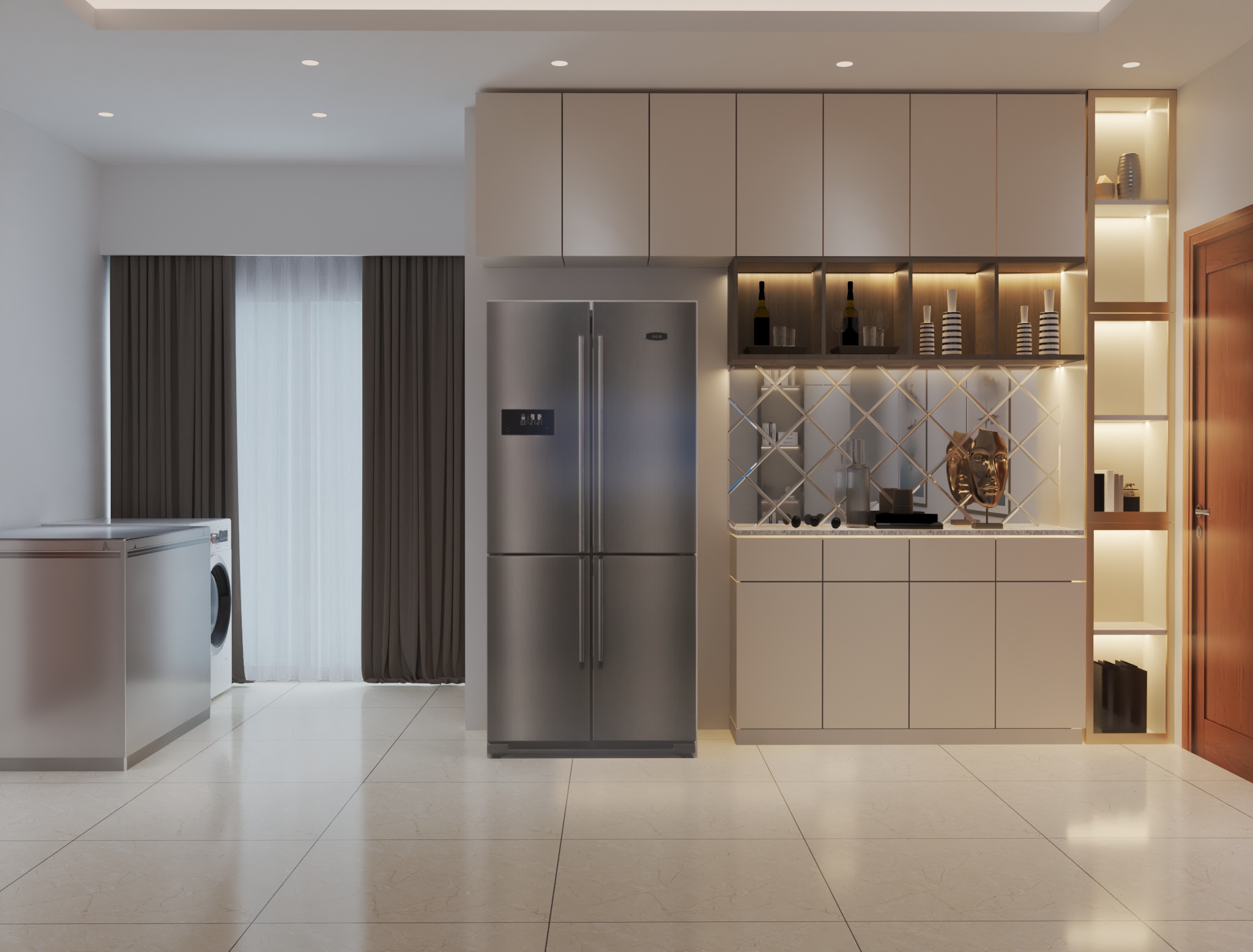
Modern Living Room Design – The New Heart of the Home✅The living room is no longer just a place to sit — it’s the centerpiece of modern living. A well-designed modern living room combines comfort, style, and function while creating a space that feels open, warm, and elegant.✅Premium Modern Livingroom 3d model Interior Design, we made this design in a Modern design concept at once. See the Living room space design below, Modern minimalist living room design with V-Ray render – ideal for interior designers and architectsYou can get a good idea by looking at our design.✅ 1.Color Combination: Here we have made it in white, blue wooden combination, color materials -Enamel paint, texture Paint.✅ 2.Lighting Combination: Very minimalist simple light is used, hidden Light, t-5 Light, Wall Light, used 3d model.✅ 3. Texture Combination: Here some HPL & White tones are used according to the concept of the room.✅ 4.Furniture Combination: According to the placement of the room, here modern sofa , Modern tea table, Decorative Ceiling 3d design, so that anyone who sees the design becomes mesmerized.✅ 5.Design Style: Modern "This Modern living room design has been created by our team -Clarity Architects with a perfect blend of elegance and comfort. If our style matches your vision, you can place your custom design order with us today."Design & Visualization by:Ar. Shakil AhmedCEO, Clarity Architects
More detailsPublished - Tue, 15 Jul 2025
Created by - Clarity Architects
Auditorium Interior Design – Modern & Premium Concepts
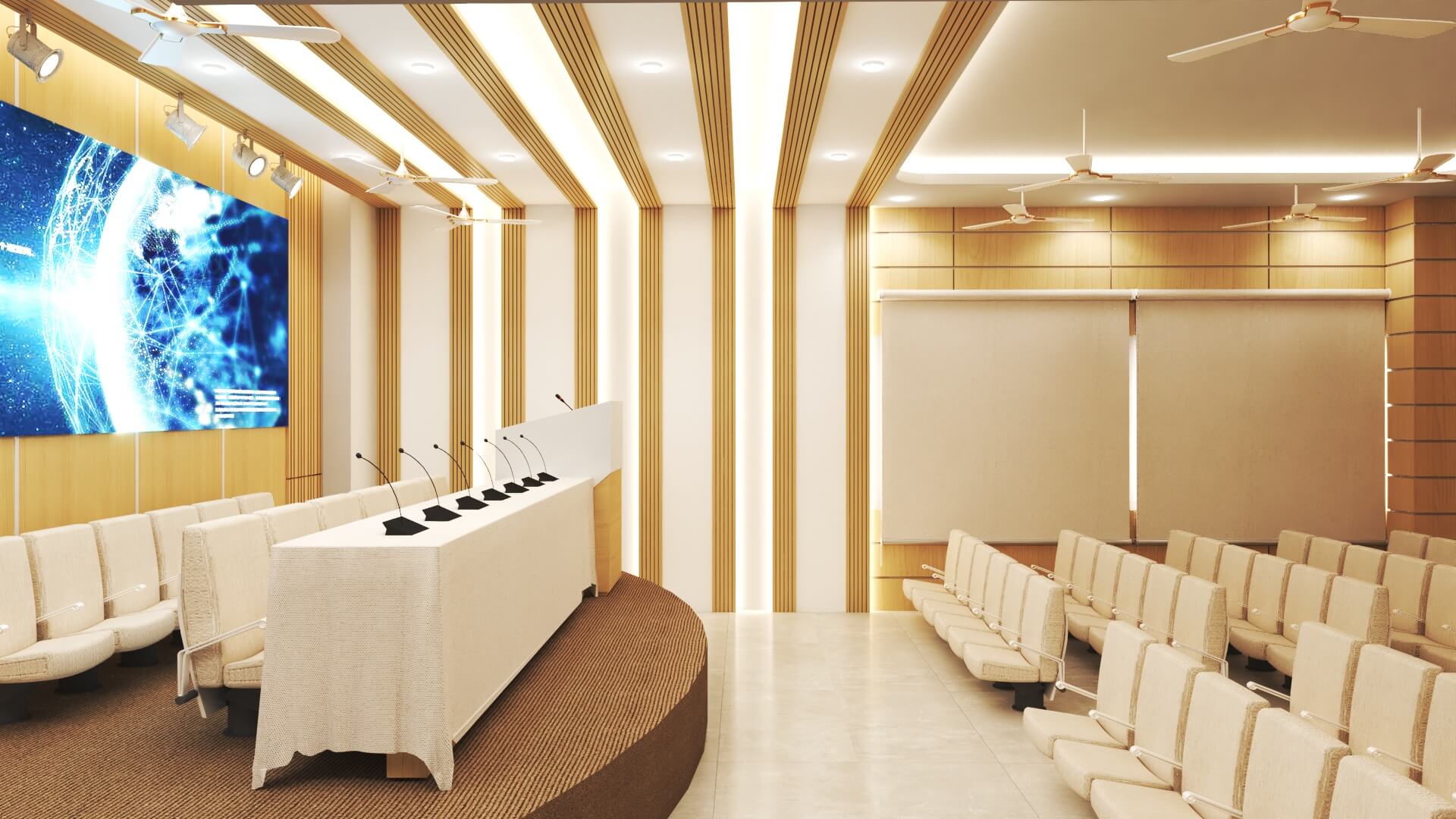
What is Auditorium Interior Design?An auditorium is more than just a space to sit and listen — it’s an experience zone designed for performance, learning, and large-scale communication. A well-designed auditorium interior enhances: ✅ Audience comfort ✅ Sound clarity ✅ Visual appeal ✅ Brand or institutional value Whether it's a university convocation hall, a government seminar room, or a cultural center, interior design plays a key role in functionality and audience satisfaction.Auditorium Interior Design, we made this design in a Modern design concept at once. See the Auditorium Interior Design space design below, Modern minimalist Auditorium Interior Design with V-Ray render – ideal for interior designers and architects✅Key Elements of Modern Auditorium Interior Design3. Intelligent Lighting System Recessed ceiling lights and spotlights LED edge lights along stairs and seats Stage-specific lighting for performances or presentations 4. Stage Design & Backdrop Elevated platform with center focus Wood panel backdrops or digital LED screens Integrated AV setup for smooth event operation 5. Comfortable Waiting Zone Sofa seating in the lobby Digital display for event info Branding wall with institution name/logo Materials Details:✅1.Wall Paneling- 12mm veneer Board, Hand Polish.✅2.Ceiling - 1''x2'' wooden Gorjon Frame, 12mm Gorjon Board, Plastic Paint,✅3.Stage counter table - 18mm Gorjon Board, Enamel Paint, ✅4.Backdrop Paneling - 12mm veneer BoardAll necessary hardware fixing and fitting all complete as per approved design.You can get a good idea by looking at our design.✅ 1.Color Combination: Here we have made it in white & wooden combination.✅ 2.Lighting Combination: Very minimalist simple light is used, hidden Light, t-5 Light used.✅ 3. Texture Combination: Here some White & wooden tones are used according to the concept of the room.✅ 4.Design Style: ModernOur ServiceAuditorium Interior Design, Top 10 Modern Bedroom Interior Design Tips, Managing Director Room, Modern Reception Space & Workstation Design, Living room, Bedroom Design, Drawing Room Design, Classic design 3d model✅1.Available in: 3dsMax model, rendering, DWG, OBJ, AutoCAD, Sketch up Model formats✅ 2.Styles include: American 3d model Style, Classic 3d model, Modern 3d model, Luxury, Minimalist and Photorealistic bedroom 3d model & rendering designs.✅ 3.Also includes: High-resolution scenes, 3d model , Interior architecture concepts, and Portfolio-ready visualizations for architects and designers.Design & Visualization by:Ar. Shakil AhmedCEO, Clarity Architects
More detailsPublished - Sat, 19 Jul 2025
Created by - Clarity Architects
Modern Office Interior Design - Workstations, Reception, and Managing Director’s Room
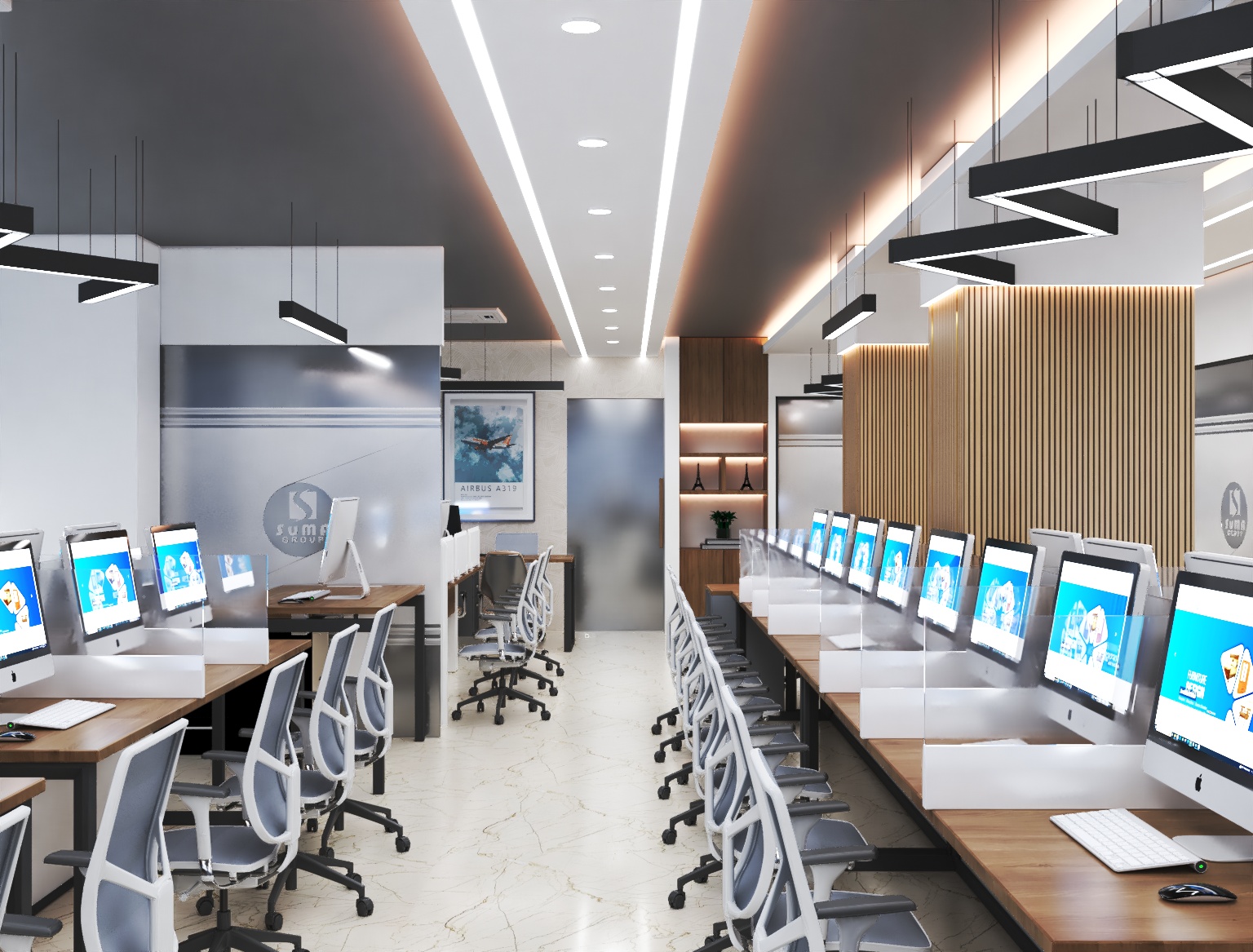
Open space Workstation Design has become one of the most popular trends in modern offices. Unlike traditional cubicles, this layout encourages collaboration, communication, and flexibility.Open Space WorkstationsReceptionManaging Director’s RoomOffice Space Lobby DesignModern Modern Reception, Workstations, Managing Director’s Room, Lobby Design, we made this design in a Modern design concept at once. See the Reception, Workstations, Managing Director’s Room, Lobby Design below, Modern minimalist Modern Reception design with V-Ray render – ideal for interior designers and architectsOffice Space Lobby DesignManaging Director’s RoomReceptionOpen Space WorkstationsOpen Space WorkstationsYou can get a good idea by looking at our design.✅ 1.Workstations - Color Combination: Here we have made it in white & wooden combination.✅ 2. Reception - Color Combination: Here we have made it in white combination.✅ 3. Managing Director’s Room - Color Combination: Here we have made it in white, wooden, ash combination.✅ 4. Lobby Design - Color Combination: Here we have made it in white & wooden combination.✅ 5.Lighting Combination: Very minimalist simple light is used, hidden Light, t-5 Light, Wall Light, used 3d model, ✅ 6. Texture Combination: Here some White & wooden tones are used according to the concept of the room.✅ 7.Design Style: Modern.✅ 8. materials details: ceiling 12 mm particle board, 1''x2'' gorjon wood framing,ms framing, 10mm glass partition, frosted glass paper, 18mm gorjon ply, hand polish, plastic paint, column paneling 12mm particle board, enamel paint."This Modern Reception Space & Workstation Design has been created by our team -Clarity Architects with a perfect blend of elegance and comfort. If our style matches your vision, you can place your custom design order with us today."License: Free for personal and non-commercial use only.You can use these for free, but please use them according to our termsThese 3D models and CAD files are for educational, private, or research purposes. Redistribution or use on websites, social media, or any public/commercial platform is strictly prohibited without prior written permission from Clarity Architects.Design & Visualization by:Ar. Shakil AhmedCEO, Clarity Architects
More detailsPublished - Thu, 21 Aug 2025
Created by - Clarity Architects
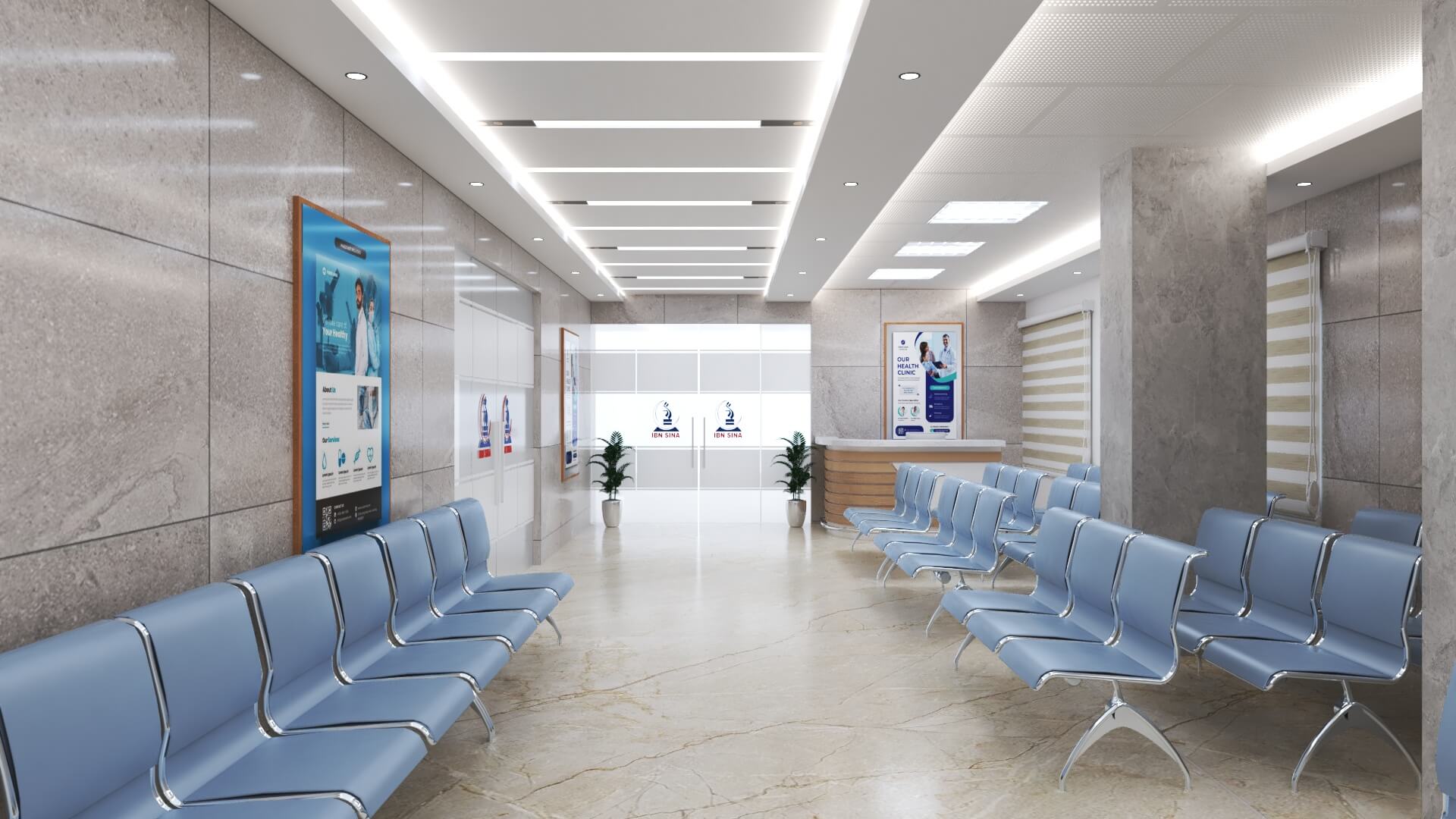
Hospital Cash Counter & Admit Design: Modern Lobby and Waiting Area Interior
Hospital Cash Counter & Admit Design, we made this design in a Modern design concept at once. See the Modern Lobby and Waiting Area Interior below, Modern design with V-Ray render – "Perfect for Interior Designers & Architects: Hospital Cash Counter & Admit Design: Modern Lobby and Waiting Area Interior.Cash Counter & Admit Area Design Functionality Meets Style: The cash counter and admit area are designed with ergonomics and workflow efficiency in mind. Material & Colors: White countertops combined with natural wooden panels create a professional yet warm look. Patient-Friendly: Clear signage and spacious design reduce confusion and enhance accessibility.You can get a good idea by looking at our design.✅ 1.Color Combination: Here we have made it in white & wooden combination, color materials -Enamel paint, Plastic Paint.✅ 2.Lighting Combination: Very minimalist simple light is used, hidden Light, t-5 Light, Wall Light, used 3d model.✅ 3. Texture Combination: Here some White & wooden tones are used according to the concept of the room.✅ 4.Design Style: Modern.Lobby DesignWelcoming Environment: The lobby is the first impression of the hospital, designed with white walls, wooden accents, and soft lighting.Help Desk & Pharmacy Interior Organized Workstations: Both help desk and pharmacy areas are designed for easy navigation and efficient service.✅Modern Hospital with minimalist form and functional layout – perfect for hospital space and high-end corporate setups.✅"This Hospital Design has been created by our team -Clarity Architects with a perfect blend of elegance and comfort. If our style matches your vision, you can place your custom design order with us today."Design & Visualization by:Ar. Shakil AhmedCEO, Clarity Architects
More detailsPublished - Thu, 28 Aug 2025
Created by - Clarity Architects
How to Start Learning Interior Design — Step-by-Step Guide for Beginners (Global Edition)
What is Interior Design? Interior design is the art and science of enhancing the interior of a space to make it functional, beautiful, and meaningful. Designers combine creativity, technical skills, and human understanding to design spaces that reflect both personality and purpose.Step 1: Understand the FundamentalsBefore using software or tools, learn the basics of design: Space planning and furniture arrangement Color theory and mood creation Lighting design and visual balance Material and texture coordination Ergonomics and user comfort Study real interior spaces — visit hotels, cafés, showrooms, or explore Pinterest and Behance to analyze how design decisions shape user experience.Step 2: Learn Essential Design SoftwareIn today’s digital design world, mastering software is crucial: AutoCAD: For precise 2D layouts and technical drawings 3ds Max + V-Ray/Corona: For realistic 3D visualization SketchUp: For quick modeling and conceptual layouts Photoshop: For rendering presentations and mood boards Tip: Practice daily — even 1 hour per day can make a big difference within 2–3 months.Step 3: Start with Practice ProjectsDon’t wait for clients — design sample spaces on your own. Try: Your own bedroom or living room layout A small office interior concept A studio apartment design Focus on combining design principles with real-world function.Step 4: Build a Strong PortfolioYour portfolio is your identity as a designer. Create 3–5 sample projects and present them clearly: Floor plans (AutoCAD) 3D visualizations (3ds Max or SketchUp) Design concepts and explanations You can publish them on Behance, Dribbble, or your own website (like clarityarchitects.com) for better visibility.Step 5: Get Real ExperienceOnce you have some sample projects: Join a local or online internship Take freelance projects from Upwork or Fiverr Collaborate with architecture or interior firms Each real project teaches you client communication, budgeting, and design execution — things you can’t learn from tutorials alone.Step 6: Stay Updated with Global TrendsInterior design evolves every year. Keep learning new materials, lighting styles, and rendering techniques. Follow top design platforms like: ArchDaily Dezeen ClarityArchitects.com Pinterest and Instagram design pages These help you understand international design aesthetics and professional presentation styles.Bonus Tips for Beginners✅ Learn both modern and classic design styles. ✅ Study real project photos and replicate them in 3D. ✅ Focus on lighting & material realism in rendering. ✅ Be patient — design mastery takes time and consistency.Conclusion Interior design is a creative and rewarding career that connects art with human experience. Start small, stay consistent, and build a habit of observing spaces around you. With practice, confidence, and imagination, you can become an international interior designer capable of transforming empty rooms into living art.
More detailsPublished - Mon, 03 Nov 2025
Created by - Clarity Architects
Earthquake-resistant architecture guide
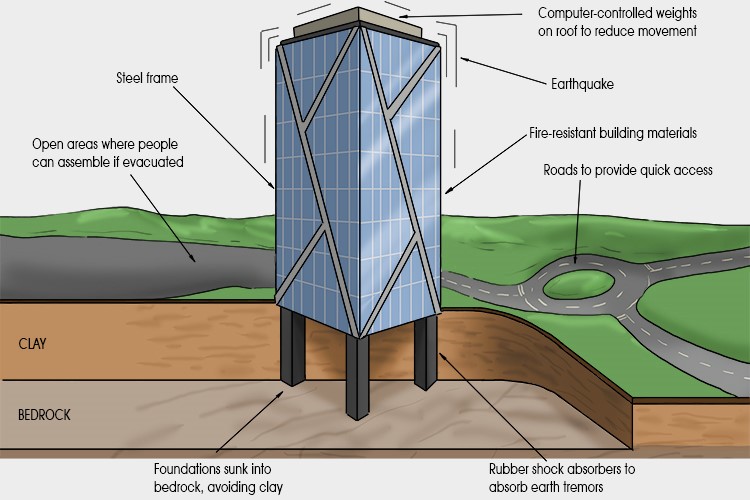
Earthquakes strike without warning, and the safest defense is a building designed to absorb, resist, and transfer seismic forces efficiently. Modern earthquake-resistant structures combine strong framing, ductile detailing, shear walls, and advanced technologies like base isolation and dampers. This guide explains — in practical language — how buildings are designed to stay stable during seismic shaking.1. Core Principles of Earthquake-Resistant Design✔ Continuous Load PathAll seismic forces must travel from the roof → floors → beams → columns → foundation → ground. Any weak connection can cause failure.✔ DuctilityMaterials and structural joints must bend without breaking. Ductile structures absorb more energy and prevent sudden collapse.✔ Symmetry & Regular GeometrySimple rectangular shapes perform better because they distribute seismic forces evenly. Irregular (L-shape, U-shape, soft corners) buildings twist during shaking.✔ Avoiding Soft StoriesGround floors with open parking or large glass facades must be reinforced. Soft stories collapse frequently during earthquakes.2. Structural Systems Used in Earthquake-Resistant Buildingsa) Moment-Resisting FramesColumns and beams work together to resist bending and lateral movement.b) Shear WallsVertical walls made of reinforced concrete resist horizontal shaking. Used in high-rise towers and apartment buildings.c) Braced FramesDiagonal steel braces create strong triangular frames. Highly effective for industrial and commercial buildings.d) Base IsolationRubber bearings or sliders placed between the building and foundation absorb motion — the building shakes less because the ground shakes below it.e) Energy DampersAct like shock absorbers in cars. They reduce vibration and protect structural components from damage.3. Foundation & Soil Considerations✔ Soil Testing (Geotechnical Investigation)Weak soil = more shaking Loose sandy soil = risk of liquefaction Engineers design foundations accordingly.✔ Foundation Types Raft foundation Pile foundation Mat foundation All selected based on soil type and seismic zone. 4. Critical Structural Detailing✔ Beam–Column Joint StrengtheningMost earthquake failures start at the joints. Proper rebar anchorage, stirrups, and confinement are crucial.✔ Proper Rebar Spacing & HooksEnsures ductility. Prevents brittle shear failure.✔ Limiting Large OpeningsWindows/doors weaken walls — sizing and placement must follow seismic codes.✔ Bracing & Wall ContinuityWalls should be aligned vertically and horizontally for better load transfer.5. Architectural Planning Principles Keep the building shape simple. Avoid unnecessary cantilevers. Distribute mass evenly on each floor. Maintain vertical and horizontal alignment of structural elements. 6. Retrofitting Existing BuildingsOlder buildings can be strengthened using: Shear wall addition Steel bracing Jacketing of columns Base-isolation retrofitting in critical buildings Dampers for vibration control Retrofitting is often cheaper than rebuilding.7. How Earthquake Loads Travel Through a Building (Simple Explanation) Earthquake shakes the ground. Ground motion hits foundation. Foundation transfers force into columns and shear walls. Columns → beams → floors carry the load upward. Structural system dissipates energy using ductility, framing, and dampers. This “load path” must be strong and continuous.ConclusionEarthquake-resistant building design is not just about stronger materials — it’s about smarter engineering. When load paths are continuous, structural systems are well-chosen, and detailing is precise, buildings can survive even strong quakes. For professional projects, always follow international codes like ASCE 7, IBC, Eurocode 8, or BNBC (Bangladesh National Building Code).
More detailsPublished - Mon, 24 Nov 2025
Created by - Clarity Architects
Earthquake Proof Building Design: ভূমিকম্প-প্রতিরোধী ভবন ডিজাইনের সম্পূর্ণ গাইড
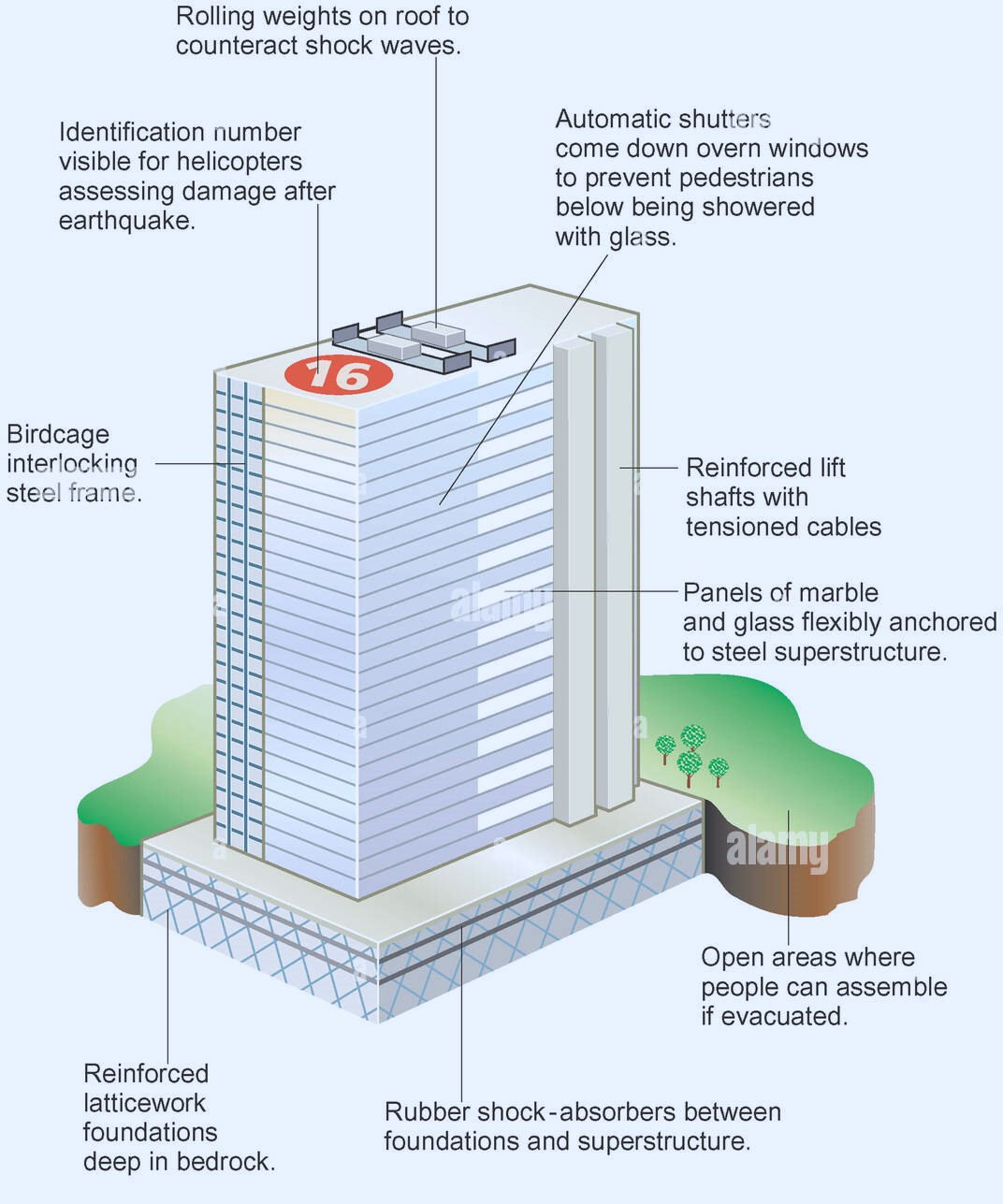
ভূমিকম্প-প্রতিরোধী ভবন ডিজাইন: কেন প্রয়োজন?ভূমিকম্প এমন একটি প্রাকৃতিক দুর্যোগ যা আগে থেকে বোঝা কঠিন। মাটি দোল খেলে ভবনের উপর আনুভূমিক (lateral) এবং উল্লম্ব (vertical) দুই ধরনের বল কাজ করে। সঠিক ডিজাইন না হলে ভবন হঠাৎ ধসে যেতে পারে। এই কারণে “Earthquake Proof Building Design” অত্যন্ত গুরুত্বপূর্ণ।১. শক্তিশালী Load Path নিশ্চিত করালোড-পাথ হলো ভবনের ভেতর দিয়ে শক্তি মাটিতে পৌঁছানোর পথ।Roof → Beam → Column → Shear Wall → Foundation → Soil এই পথ যদি কোথাও দুর্বল হয়, ভবন ঝুঁকিতে পড়ে।২. কাঠামোগত সিস্টেম (Structural Systems)A) Moment-Resisting Frameকলাম ও বিম এমনভাবে যুক্ত থাকে যাতে ঘূর্ণন (moment) সহ্য করতে পারে। → মধ্যম-উচ্চ ভবনে খুব কার্যকর।B) Shear Wall Systemমজবুত কংক্রিটের উল্লম্ব দেয়াল যেগুলো ভূমিকম্পের ল্যাটেরাল ফোর্স প্রতিরোধ করে। → উচ্চতর ভবনে অবশ্যই থাকা উচিত।C) Braced Frame SystemDiagonal ব্রেসিং দিয়ে ত্রিভুজ আকৃতি তৈরি হয়—যা শক্তি দ্রুত নিচে নামায়। → স্টিল স্ট্রাকচারে বেশি ব্যবহৃত।D) Base Isolation Systemভবনের নিচে Rubber Bearing বা Sliding Pads বসানো হয়। ভূমিকম্পে মাটি দুললেও ভবন কম নড়ে — সম্পূর্ণ নিরাপদ প্রযুক্তি। → হাসপাতাল, কমিউনিটি ভবন ও গুরত্বপূর্ণ প্রকল্পে ব্যবহৃত হয়।E) Energy DampersShock absorber এর মতো কাজ করে। → ভবনের দোল কমিয়ে দেয়।৩. মাটি পরীক্ষা ও ফাউন্ডেশন ডিজাইন✔ Soil Test (Geotechnical Investigation)দুর্বল মাটিLiquefaction ঝুঁকিপানির স্তর এসব অনুযায়ী ফাউন্ডেশন নির্বাচন করতে হয়।✔ Foundation Types:Pile FoundationRaft FoundationMat Foundation সবই মাটির ধরন ও ভবনের উচ্চতার উপর নির্ভর করে।৪. Structural Detailing: সবচেয়ে গুরুত্বপূর্ণ অংশভূমিকম্পে প্রথম ক্ষতি হয় জয়েন্টে। → সঠিক rebar anchorage ও stirrup spacing ব্যবহার করতে হবে।উপাদান যাতে ভাঙার আগে বাঁক নিতে পারে।গ্রাউন্ড ফ্লোর ওপেন রাখলে (যেমন—পার্কিং) শিয়ার ও ব্রেসিং দিয়ে শক্তিশালী করতে হবে।বড় জানালা/দরজা ভবনকে দুর্বল করে। সঠিক কোড-অনুযায়ী ডিজাইন জরুরি।৫. আর্কিটেকচারাল ডিজাইনে করণীয়ভবনের আকৃতি যত সাদামাটা, পারফরম্যান্স তত ভালোMass & weight distribution সমান রাখতে হবেVertical alignment বজায় রাখতে হবেCantilever কম ব্যবহার করা উচিতStair-core ও lift-core ভবনের শক্তি বাড়ায়৬. পুরনো ভবনে Earthquake Retrofitযেসব ভবন আগের নিরাপত্তা মান অনুসরণ করে নাই, তাদের—Shear Wall যোগ করাSteel Bracing বসানোColumn JacketingFRP WrappingBase Isolation Retrofit এভাবে আপডেট করা যায়।৭. ভবন ধসে পড়ার সাধারণ কারণSoft story failureBeam-column joint দুর্বলOverloaded structureLow-quality concretePoor soil investigationWrong detailingএই ভুলগুলো এড়ালেই ভবন অনেক নিরাপদ হয়।Conclusionএকটি Earthquake Proof Building Design শুধু শক্তিশালী উপকরণ দিয়ে তৈরি হয় না— বরং সঠিক structural system, detailing, load path, soil test, এবং architectural planning মিলিয়ে তৈরি হয়।সিসমিক ডিজাইনে আন্তর্জাতিক স্ট্যান্ডার্ড অনুসরণ করা জরুরি:BNBC, ASCE 7, IBC, Eurocode 8সঠিক পরিকল্পনা ভবনকে রক্ষা করতে পারে, জীবন বাঁচাতে পারে।✔ লোড-পাথ ধারাবাহিক হতে হবে✔ প্রতিটি সংযোগ (জয়েন্ট) শক্তিশালী হতে হবে✔ দেয়াল, কলাম ও ফাউন্ডেশন একে অপরের সাথে সঠিকভাবে সংযুক্ত হতে হবে✔ Beam-Column Joint শক্তিশালী করা✔ Ductility নিশ্চিত করা✔ Soft Story এড়ানো✔ Overhang, বড় খোলা জায়গা কমানো
More detailsPublished - Mon, 24 Nov 2025
Created by - Clarity Architects
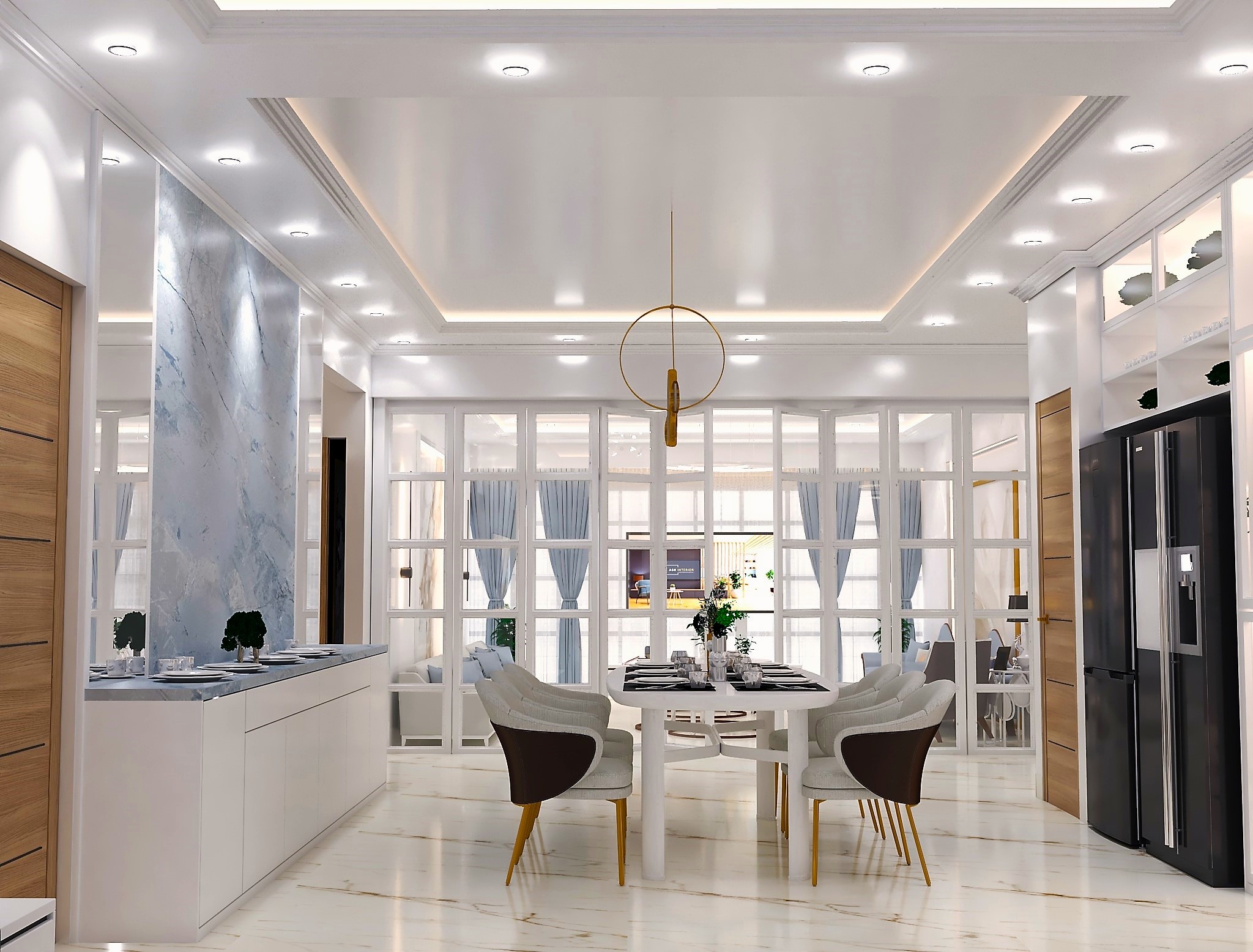
Modern living room design
Modern Living Room Design Ideas (2025) – Elegant White & Light Blue ConceptA modern living room is more than just a gathering space; it reflects a clean lifestyle, smart materials, and a calming color palette. In 2025, the trend focuses on white and light blue, creating a bright, soft, and international-style interior environment.Whether you’re redesigning your home or planning a new apartment, here is a complete guide to creating the perfect modern living room with professional materials and premium finishing standards.1. Color Concept: White & Light Blue (Soft + Minimal + Premium)The combination of white and light blue is currently one of the most trending international interior design palettes.✔ Why this color works: White makes the room look bigger and brighter Light blue adds a calm, relaxing, modern touch Both colors reflect natural light beautifully Perfect for minimalist interior design Works well with wooden textures and soft fabric Recommended finish: Wall Paint: Off-White / Ice White Accent Wall: Soft Light Blue Furniture Fabric: Grey-blue or light beige 2. Modern Ceiling Design MaterialsA premium modern living room always starts with a well-designed ceiling.✔ Ceiling Materials Used: 12mm Particle Board – Smooth surface for clean finishing 1''x2'' Gorjon Wood Framing – Strong, durable & perfect for long-term stability This setup ensures a straight, clean, and modern ceiling design with long-term durability.✔ Lighting Suggestions: Concealed LED strip light Spotlights for accent walls Warm white lights for soft ambiance ???? This ceiling combination is perfect for creating an international-style modern living room.3. Cabinet & Storage MaterialsFor modern living rooms, simple but strong cabinets are essential for a clean look.✔ Cabinet Materials Used: 18mm Gorjon Board – Best for strength and durability Doco Paint Finish – Smooth, premium, and modern look Why Doco Paint? Gives a glossy or matte premium finish Long-lasting Perfect for white & light blue theme Easy to clean and maintain Recommended Cabinet Types: Floating TV Cabinet Minimal wall-mounted shelves Full-height storage cabinet with soft-close hinges 4. Furniture Style & LayoutMinimal furniture ensures a modern, clean-looking living room.✔ Must-have furniture: Slim modern sofa (light grey or pastel blue) Simple wooden center table Floating TV unit Soft rug for added comfort ✔ Layout tips: Keep the center space open Avoid heavy furniture Maintain symmetry for a premium look 5. Modern Lighting SetupLighting changes the complete mood of your living room.Best options: Warm white LED Hidden cove light Floor lamps Wall washers for accents Light Blue + Warm Light = Super Premium Modern Look6. Decorative Elements (Minimal & Stylish)Keep the decoration clean and simple.Recommended: White or matte black picture frames Indoor plants Small ceramic decor Light blue cushions Minimal wall art Avoid heavy decoration—it breaks the modern look.7. Flooring Suggestions Wooden floor (laminated or engineered wood) Light-tone marble tile Large-format porcelain tile (white/grey) 8. Final Look of a Modern Living Room (White + Light Blue Theme)A perfect modern living room should feel:✔ Bright ✔ Clean ✔ Minimal ✔ Comfortable ✔ Spacious ✔ International-standard finish With the correct materials and color combinations, your living room will look premium and timeless.
More detailsPublished - Fri, 05 Dec 2025
Search
Popular categories
2026 FIFA World Cup
16Home Interior
9CAD BLOCKS
3Office Design
2Building
2Living Room
1Latest blogs
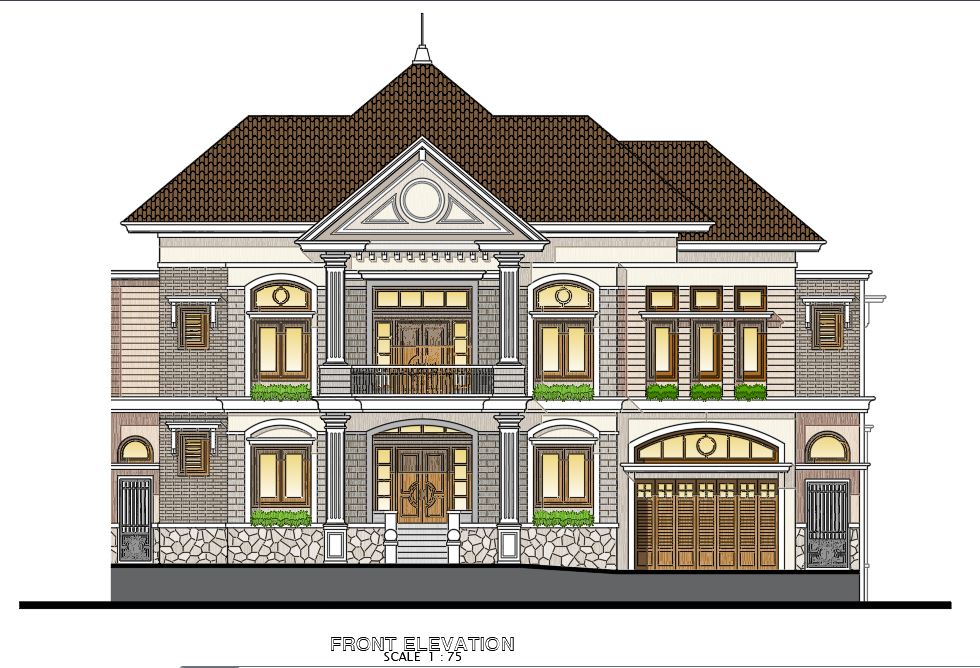
Two-Storey Residence House Design AutoCAD Drawing (2026 Modern Architectural DWG Plan for Family Homes)
2 Days Ago
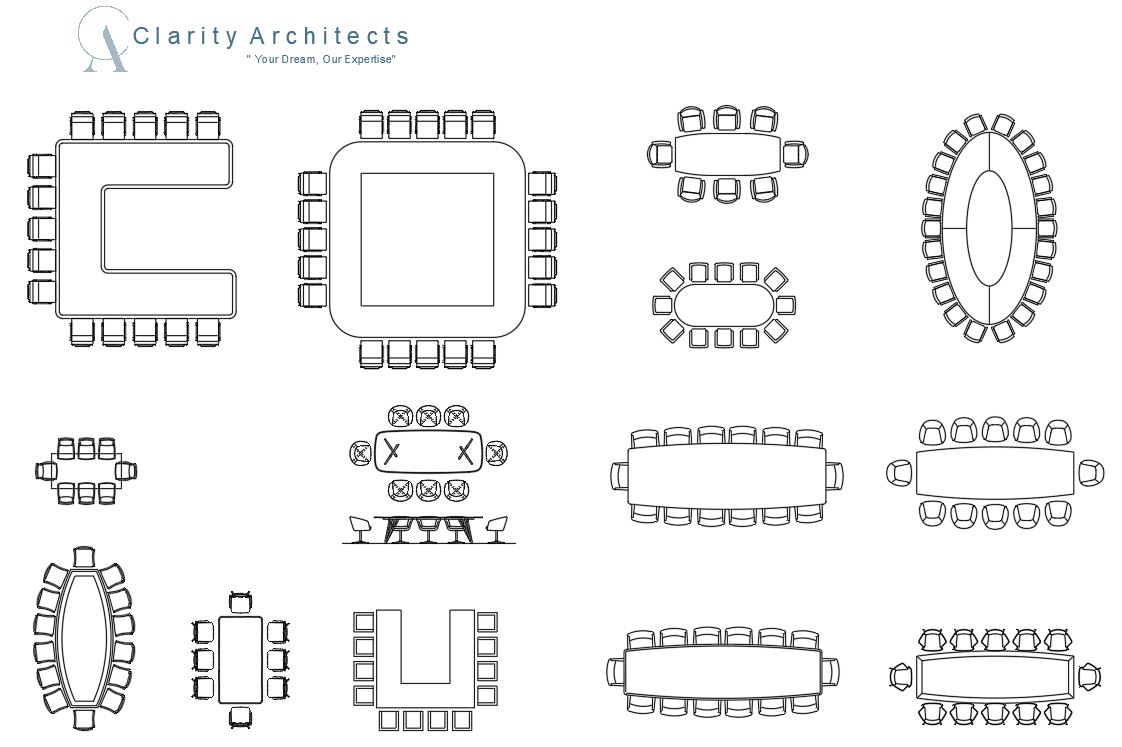
CAD Blocks: Complete Guide to Free & Premium CAD Drawing Blocks for Architects, Interior Designers & Engineers (2026 Global Standard)
2 Days Ago
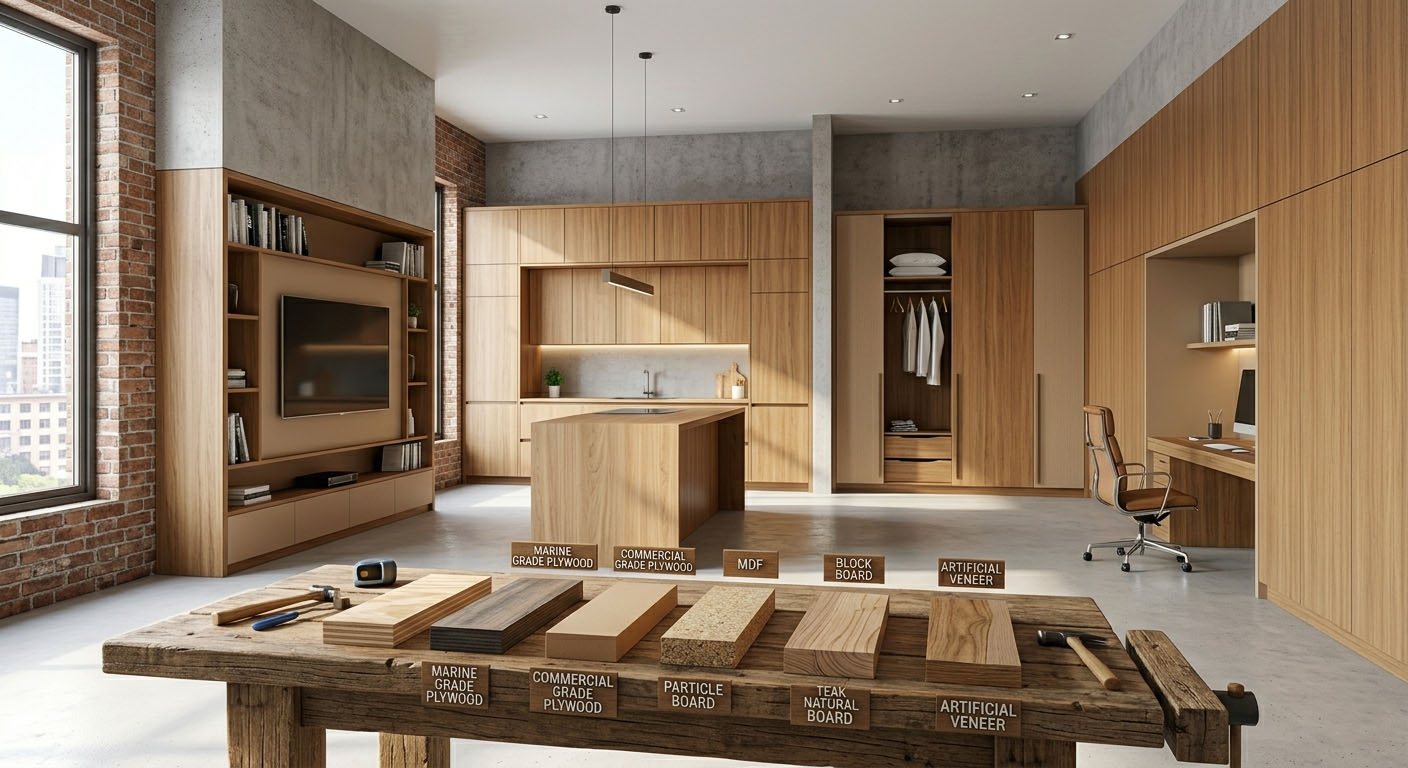
Top Interior Trading Materials in 2026: Modern Construction & Interior Design Trends for Homes, Offices & Commercial Spaces
2 Days Ago
Write a public review