Published - 9 Days Ago
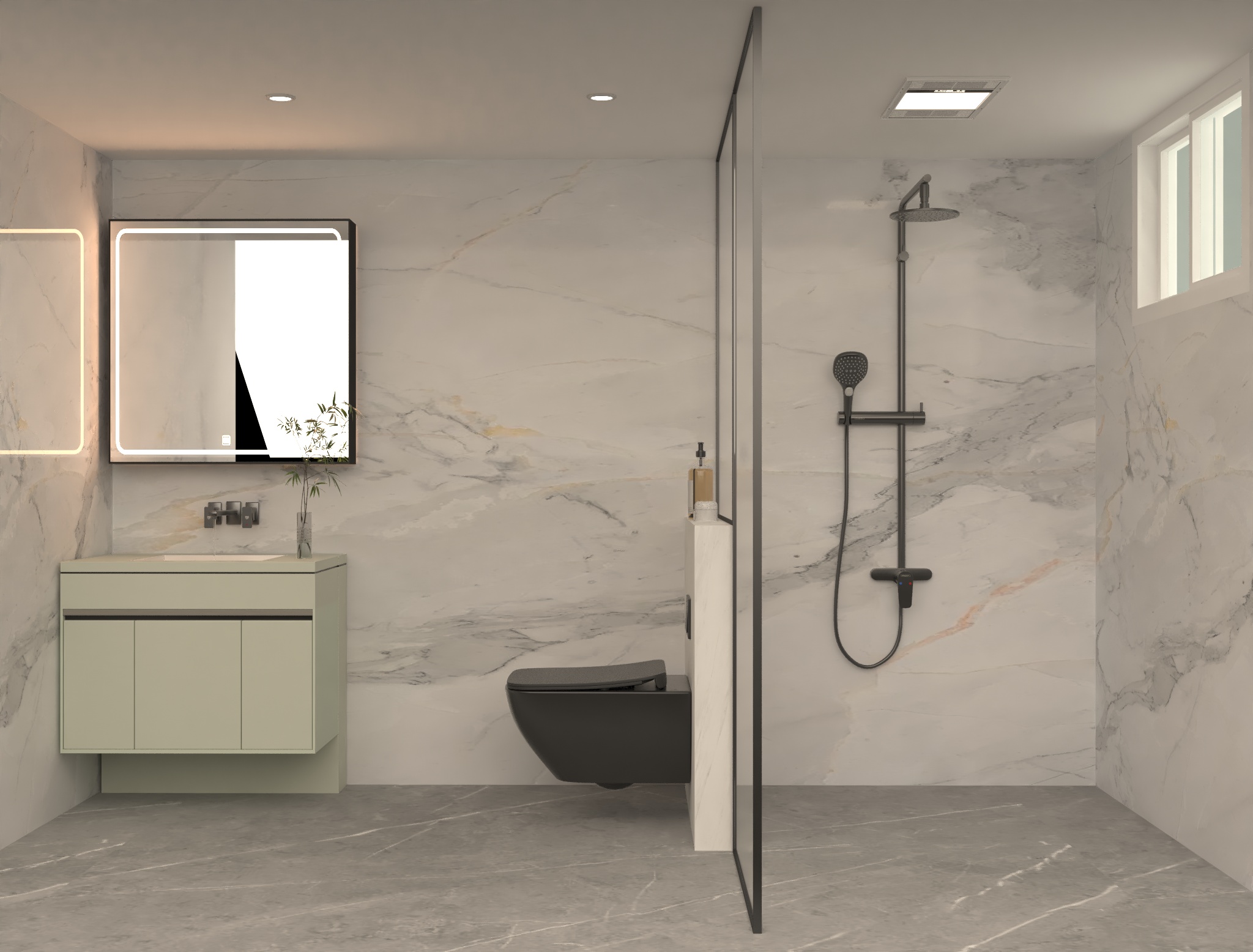
Modern Toilet Design Concepts: Creating Functional and Stylish Bathroom Spaces
Modern Toilet Design Concepts: Creating Functional and Stylish Bathroom Spaces
In modern interior design, the toilet or bathroom is no longer considered a purely functional space. It has evolved into a personal wellness zone where hygiene, comfort, relaxation, and aesthetics come together. Around the world, homeowners, architects, and interior designers are focusing on modern toilet design concepts that combine smart functionality with elegant visual appeal.
Whether it is a luxury residence, apartment, hotel, or commercial space, a well-designed bathroom significantly enhances the overall quality of living. Modern toilet design emphasizes cleanliness, space optimization, lighting balance, and material innovation.
This blog explores the most popular international modern toilet design concepts used in today’s interior design industry.
The Concept of Modern Toilet Design
Modern toilet design focuses on creating a space that is efficient, hygienic, visually appealing, and comfortable to use. Unlike traditional bathrooms, modern designs integrate advanced materials, smart fixtures, and minimalist aesthetics.
Key principles include:
Clean and clutter-free layout
Efficient space utilization
Easy-to-clean surfaces
Proper ventilation and lighting
Balanced color schemes
Integration of modern sanitary fittings
The goal is to transform a basic bathroom into a stylish and functional wellness space.
Minimalist Toilet Design Concept
Minimalist bathroom design is one of the most popular global trends. It focuses on simplicity, clarity, and functionality.
Key features:
Neutral colors such as white, grey, and beige
Wall-mounted toilets and vanities
Frameless glass shower partitions
Hidden storage solutions
Simple geometric shapes
Minimalist toilet design creates a clean, organized, and spacious feeling even in small bathrooms.
Luxury Toilet Design Concept
Luxury bathroom design is all about comfort, elegance, and premium materials. It aims to create a spa-like experience at home.
Common elements include:
Marble or natural stone finishes
Designer sanitary ware
Ambient lighting with warm tones
Rain showers and smart shower systems
Freestanding bathtubs in large bathrooms
Gold, black, or matte fittings for a premium look
Luxury toilets are designed to offer relaxation and a high-end lifestyle experience.
Contemporary Toilet Design Concept
Contemporary bathroom design reflects modern trends while maintaining timeless simplicity. It is flexible and widely used in international projects.
Key characteristics:
Mix of neutral and bold accents
Sleek fixtures and fittings
Floating vanities and storage units
Glass partitions and open shower areas
Balanced use of textures and materials
Contemporary toilet designs are ideal for both residential and commercial projects.
Small Toilet Design Concept
Space-saving design is essential for urban apartments and compact homes. Small bathroom design focuses on maximizing utility without compromising style.
Important strategies include:
Wall-mounted toilets and sinks
Corner showers or compact shower cabins
Light color palettes to create openness
Large mirrors to enhance space perception
Smart storage niches in walls
With proper planning, even a very small toilet can feel comfortable and modern.
Smart Toilet Design Concept
Smart bathroom technology is becoming a major global trend. Smart toilets improve hygiene, convenience, and user experience.
Modern smart features include:
Sensor-based flush systems
Automatic lid opening and closing
Heated seats
Built-in bidet functions
Touchless faucets
LED mood lighting systems
Smart toilets represent the future of bathroom design, combining technology with daily comfort.
Luxury Hotel-Style Bathroom Concept
Hotel-inspired bathroom design is widely popular in luxury homes and apartments.
Key elements include:
Soft ambient lighting
High-quality towels and accessories
Large mirrors with LED lighting
Open shower spaces
Premium finishes and accessories
This concept focuses on creating a relaxing, hotel-like experience at home.
Industrial Toilet Design Concept
Industrial bathroom design is inspired by urban loft aesthetics and raw materials.
Main features:
Exposed concrete or brick walls
Matte black metal fixtures
Open plumbing elements (stylized)
Dark and neutral color schemes
Minimal decorative elements
Industrial bathrooms are bold, modern, and highly stylish.
Natural / Biophilic Toilet Design Concept
Biophilic design connects interior spaces with nature to create a calming environment.
Key elements:
Indoor plants and greenery
Natural stone and wood finishes
Earthy color tones
Natural ventilation and sunlight
Organic textures and materials
This concept enhances relaxation and improves mental well-being.
Lighting in Modern Toilet Design
Lighting is one of the most important elements in bathroom design. Proper lighting improves usability and enhances visual appeal.
Types of lighting:
Ambient lighting for overall brightness
Task lighting near mirrors
Accent lighting for mood effects
LED strip lighting under vanities or mirrors
Balanced lighting creates a functional and elegant bathroom environment.
Material Selection in Modern Bathrooms
Material choice plays a key role in durability, hygiene, and aesthetics.
Popular materials include:
Ceramic and porcelain tiles
Marble and granite
Glass partitions
Stainless steel fixtures
Water-resistant engineered wood
High-quality materials ensure long-lasting performance and easy maintenance.
Color Concepts in Modern Toilet Design
Color psychology is important in bathroom interiors.
Popular color themes:
White and grey for cleanliness and simplicity
Black and gold for luxury appeal
Blue tones for freshness and calmness
Earth tones for natural comfort
Monochrome palettes for modern style
The right color combination enhances both mood and visual harmony.
Conclusion
Modern toilet design is a combination of functionality, hygiene, technology, and aesthetics. From minimalist compact bathrooms to luxurious spa-style spaces, modern concepts are transforming how bathrooms are designed and experienced worldwide.
A well-planned toilet design improves daily comfort, increases property value, and enhances overall lifestyle quality. As interior design continues to evolve globally, bathrooms are becoming smarter, more stylish, and more personalized than ever before.
Created by

Clarity Architects
Who is a good architect? They should be able to listen to their clients and break down complex design concepts in a way that can be easily understood by someone outside of the architectural world. Attention to detail: A good architect has an eye for detail and quality.
Architecture offers several aspects of career flexibility, making it an attractive future career choice: Diverse Specializations: Architects can specialize in various areas such as residential, commercial, healthcare, sustainable design, historic preservation, and more.
Comments (0)
Search
Popular categories
Home Interior
272026 FIFA World Cup
16CAD BLOCKS
5Office Design
2Building
2Living Room
1Latest blogs
Classic Victorian Bedroom Design
7 Days Ago
Interior Design 3D Models
7 Days Ago
Best Interior Design Company in Dhaka – Clarity Architects
8 Days Ago
Write a public review