Published - 7 Days Ago
Interior Design 3D Models
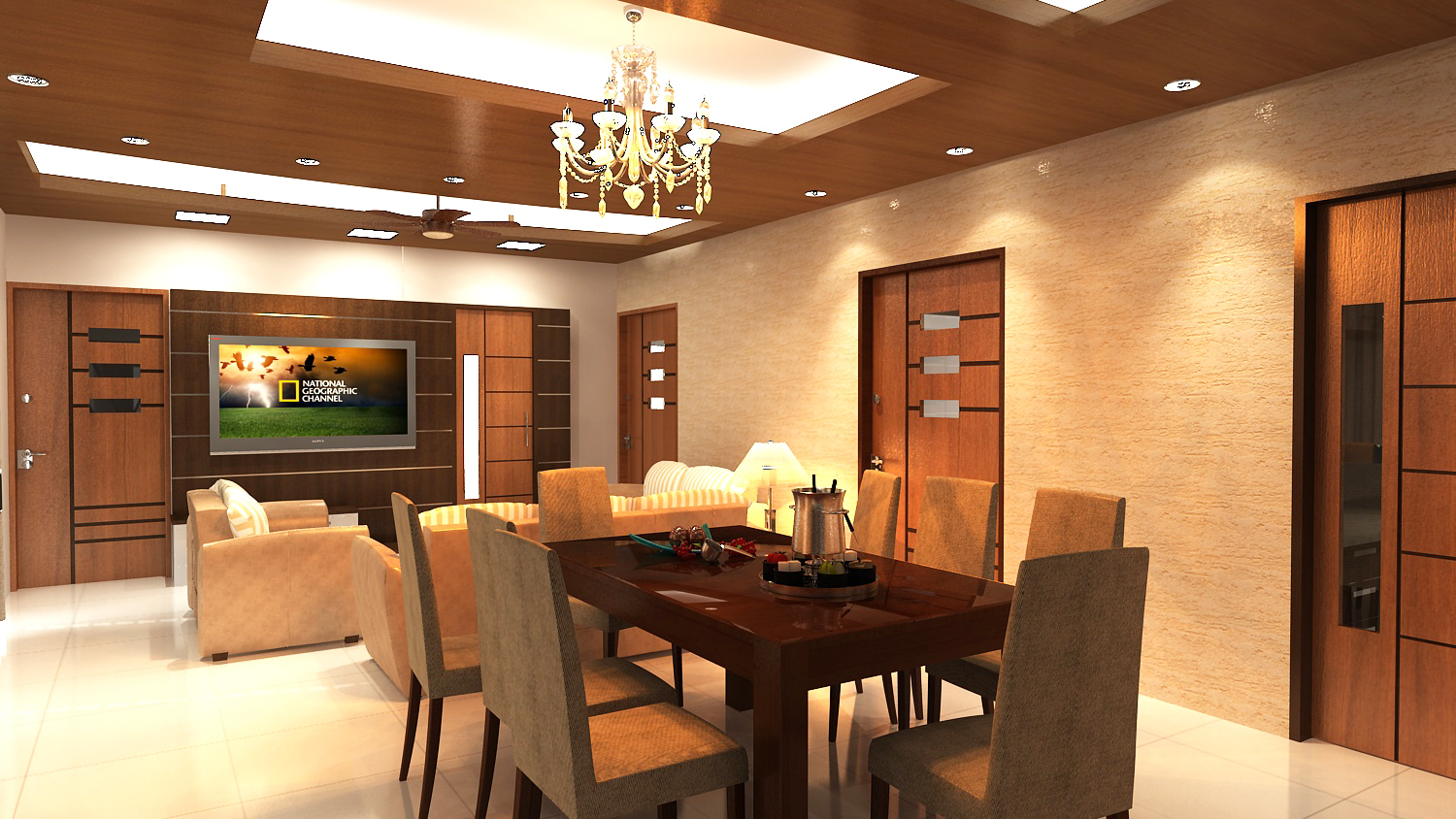
Interior Design 3D Models: Transforming Modern Spaces with Realistic Visualization
Interior design has evolved significantly with the advancement of digital technology, and one of the most powerful innovations in the industry is the interior design 3D model. Whether you are an architect, interior designer, homeowner, or real estate developer, 3D models make it easier to visualize spaces before construction begins. They help reduce errors, improve communication, and save both time and money throughout the design process.
A high-quality interior design 3D model provides a realistic representation of furniture layouts, lighting conditions, materials, textures, and decorative elements. Instead of relying only on traditional 2D drawings, designers can create immersive presentations that allow clients to experience a space virtually before making final decisions.
What Is an Interior Design 3D Model?
An interior design 3D model is a digitally created representation of an indoor environment using professional design software. It includes walls, floors, ceilings, furniture, lighting fixtures, windows, doors, accessories, and materials that closely resemble the final built space.
These models can be used for residential, commercial, hospitality, healthcare, educational, and retail projects. Designers often create complete virtual rooms where every detail—from flooring patterns to wall finishes—is accurately represented.
Why 3D Models Are Important in Interior Design
The demand for realistic visualization has increased worldwide. Clients want to understand exactly how their homes or commercial spaces will look before construction or renovation begins.
Some major benefits include:
- Better visualization of design concepts
- Faster approval from clients and stakeholders
- Easy comparison of different layouts and color schemes
- Early detection of design conflicts
- Improved collaboration between architects and contractors
- Reduced project revisions and unexpected costs
- Enhanced marketing presentations for developers and agencies
For professionals, 3D models have become an essential communication tool that bridges the gap between technical drawings and client expectations.
Applications Across Different Projects
Interior design 3D models are used in a wide variety of environments.
Residential Interiors
Homeowners and designers use 3D models to plan living rooms, bedrooms, kitchens, bathrooms, dining spaces, and home offices. These visualizations help determine furniture placement, lighting effects, and material selections before implementation.
Commercial Offices
Businesses rely on 3D interior models to design productive workspaces, meeting rooms, reception areas, and collaborative environments that align with corporate branding and employee needs.
Hotels and Hospitality
Luxury hotels, restaurants, resorts, and cafés often use highly detailed 3D models to showcase guest rooms, lobbies, dining areas, and recreational facilities during planning and marketing.
Retail Stores
Retail designers create realistic store layouts to optimize customer flow, product displays, shelving arrangements, and checkout counters while maintaining brand identity.
Healthcare Facilities
Hospitals, clinics, and medical centers use interior visualization to improve patient comfort, staff efficiency, and equipment placement before construction.
Popular Software for Creating Interior Design 3D Models
Professional designers use various software applications depending on project requirements. Commonly used tools include:
- Autodesk 3ds Max
- SketchUp
- Blender
- AutoCAD
- Revit
- Rhino
- Cinema 4D
- Lumion
- V-Ray
- Corona Renderer
These programs enable designers to create photorealistic scenes with advanced materials, lighting simulations, and high-resolution renders.
Key Components of a Quality 3D Interior Model
An effective interior design model should include:
- Accurate room dimensions
- Detailed furniture and fixtures
- Realistic materials and textures
- Natural and artificial lighting
- Decorative accessories
- Proper camera perspectives
- High-quality rendering settings
- Organized layers and editable components
Attention to these details helps create presentations that closely match the final built environment.
Benefits for Architects and Designers
Architects and interior designers gain significant advantages from using 3D models:
- Faster design development
- More effective client presentations
- Easier collaboration with consultants
- Better material planning
- Simplified revision process
- Increased project confidence
- Professional portfolio enhancement
Clients can request modifications before construction starts, reducing expensive changes later in the project.
Advantages for Homeowners
For homeowners, interior design 3D models eliminate uncertainty. They can preview paint colors, flooring materials, furniture arrangements, kitchen layouts, and lighting designs before committing to purchases or renovations.
Virtual walkthroughs also make it easier to compare multiple design concepts and choose the option that best suits their lifestyle and budget.
Growing Demand in the Digital Era
With online collaboration becoming increasingly common, downloadable 3D models have become valuable resources for freelancers, design studios, students, and visualization specialists.
Many professionals use ready-made furniture libraries and complete room scenes to accelerate project delivery while maintaining quality standards. Educational institutions also incorporate 3D modeling into architecture and interior design programs to prepare students for industry expectations.
Choosing the Right Interior Design 3D Model
When selecting a downloadable model, consider the following factors:
- Compatibility with your preferred software
- Polygon optimization for smooth performance
- High-resolution textures
- Editable materials
- Organized file structure
- Correct scaling and dimensions
- Commercial or personal licensing terms
A well-prepared model can significantly reduce production time and improve rendering quality.
Future Trends
Artificial intelligence, virtual reality, augmented reality, and real-time rendering technologies are reshaping the future of interior visualization. Clients can now experience interactive walkthroughs and make design decisions in immersive digital environments.
Cloud-based collaboration and advanced rendering engines continue to improve accessibility, enabling teams across different countries to work together efficiently on complex interior projects.
Conclusion
Interior design 3D models have revolutionized the way spaces are planned, presented, and built. They offer exceptional visualization, improve communication, reduce costly revisions, and streamline the overall design process. Whether designing a cozy apartment, a luxury hotel, a modern office, or a retail showroom, high-quality 3D models provide the confidence needed to make informed decisions before construction begins.
As technology continues to advance, the role of realistic 3D visualization will only become more important, helping designers and clients transform creative ideas into functional and visually stunning interior spaces.
Created by

Clarity Architects
Who is a good architect? They should be able to listen to their clients and break down complex design concepts in a way that can be easily understood by someone outside of the architectural world. Attention to detail: A good architect has an eye for detail and quality.
Architecture offers several aspects of career flexibility, making it an attractive future career choice: Diverse Specializations: Architects can specialize in various areas such as residential, commercial, healthcare, sustainable design, historic preservation, and more.
Comments (0)
Search
Popular categories
Home Interior
272026 FIFA World Cup
16CAD BLOCKS
5Office Design
2Building
2Living Room
1Latest blogs
Classic Victorian Bedroom Design
7 Days Ago
Interior Design 3D Models
7 Days Ago
Best Interior Design Company in Dhaka – Clarity Architects
8 Days Ago
Write a public review