Published - 4 Days Ago
HPL Texture Designs: The Complete Guide to Modern Decorative Laminate Patterns for Interior Design

HPL Texture Designs: The Complete Guide to Modern Decorative Laminate Patterns for Interior Design

Unlimited HPL Texture Designs – The Ultimate Resource for Modern Interior and Furniture Design

In modern architecture and interior design, materials play a critical role in defining the visual appeal, durability, and functionality of a space. Among  the most popular finishing materials used worldwide, High Pressure Laminate (HPL) stands out as one of the most versatile and cost-effective solutions. Designers, architects, furniture manufacturers, and homeowners continuously search for innovative HPL texture designs that combine beauty, durability, and practicality.

This comprehensive guide explores unlimited HPL texture designs, their applications, benefits, design trends, and how they contribute to creating modern interiors that are both functional and visually stunning.

What is HPL Texture?

High Pressure Laminate, commonly known as HPL, is a decorative surfacing material manufactured by compressing multiple layers of kraft paper and decorative paper under high pressure and temperature. The result is a durable surface that resists scratches, moisture, stains, and everyday wear.

HPL textures are available in thousands of designs, colors, patterns, and finishes, making them suitable for virtually every interior design project.

Why HPL Textures Are Popular Worldwide

The popularity of HPL textures continues to grow across residential and commercial projects for several reasons:

Durability

HPL surfaces are resistant to scratches, impacts, and daily use, making them ideal for furniture and high-traffic environments.

Cost Efficiency

Compared to natural materials such as solid wood, marble, or stone, HPL provides a similar aesthetic appearance at a significantly lower cost.

Design Variety

From natural wood grains to luxury marble effects and modern abstract finishes, HPL textures offer nearly unlimited design possibilities.

Easy Maintenance

HPL surfaces require minimal maintenance and are easy to clean, making them suitable for homes, offices, hotels, and retail spaces.

Sustainability

Many modern manufacturers produce environmentally responsible laminate products that support sustainable design practices.

Types of HPL Texture Designs

Wood Grain HPL Textures

Wood-inspired laminates remain one of the most popular categories. These textures replicate natural oak, walnut, teak, ash, maple, and pine finishes while offering superior durability.

Popular applications include:

  • Wardrobes
  • Kitchen cabinets
  • Office furniture
  • Wall panels
  • TV units
  • Bedroom furniture

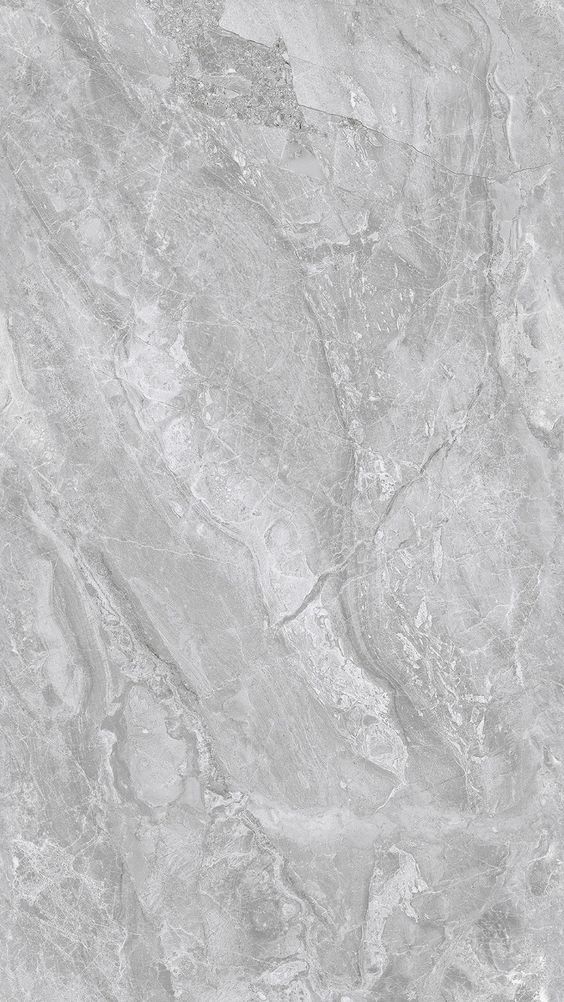
Marble Effect HPL Textures

Marble laminates provide the luxurious appearance of natural stone without the associated cost and maintenance requirements.

Common applications:

  • Reception counters
  • Luxury interiors
  • Commercial spaces
  • Kitchen surfaces
  • Decorative wall panels

Stone Finish HPL Textures

Stone-inspired laminates replicate granite, slate, concrete, and other natural surfaces commonly used in contemporary architecture.

Metallic HPL Textures

Metal-inspired laminates create sophisticated and modern interiors. They are frequently used in commercial environments, showrooms, and executive offices.

Solid Color HPL Textures

Minimalist design trends have increased the popularity of solid-color laminates. White, gray, black, beige, and earth-tone laminates remain highly sought after.

Abstract and Artistic HPL Textures

Creative patterns, geometric designs, and artistic textures are increasingly used in modern commercial and hospitality projects.

Applications of HPL Textures in Interior Design

Residential Interiors

Modern homes extensively use HPL textures for:

  • Kitchen cabinetry
  • Wardrobes
  • Study tables
  • TV cabinets
  • Bedroom furniture
  • Decorative wall panels

Corporate Offices

Office interiors benefit from HPL materials due to their durability and professional appearance.

Common applications include:

  • Workstations
  • Conference tables
  • Executive cabins
  • Reception desks
  • Storage units

Hotels and Hospitality

Hotels frequently use decorative laminates because they combine elegance with long-term performance.

Applications include:

  • Guest room furniture
  • Reception areas
  • Wall cladding
  • Restaurant interiors
  • Lounge areas

Retail Stores

Retail environments require durable materials capable of maintaining their appearance under heavy daily usage.

Popular applications include:

  • Display counters
  • Product shelves
  • Cash counters
  • Wall finishes
  • Brand display elements

Modern HPL Texture Trends

Interior design trends continue to evolve, and HPL manufacturers regularly introduce new collections inspired by global design movements.

Current trends include:

  • Natural wood finishes
  • Matte surface textures
  • Stone-inspired patterns
  • Minimalist solid colors
  • Scandinavian design influences
  • Luxury marble effects
  • Sustainable decorative materials
  • Textured tactile surfaces

These trends are increasingly popular across international architecture and interior design markets.

How to Choose the Best HPL Texture

Selecting the right HPL texture depends on several factors:

Project Type

Residential and commercial projects often require different aesthetics and performance characteristics.

Color Scheme

The selected texture should complement the overall design palette.

Lighting Conditions

Natural and artificial lighting significantly affect how textures appear in a finished space.

Maintenance Requirements

Different finishes offer varying levels of maintenance convenience.

Design Style

Modern, contemporary, classic, industrial, and minimalist interiors each benefit from specific texture categories.

Benefits of Building an HPL Texture Library

Architects and interior designers often maintain large texture libraries containing thousands of HPL references.

Benefits include:

  • Faster design development
  • Improved client presentations
  • Better material selection
  • Enhanced visualization
  • Increased design flexibility
  • Professional project documentation

A well-organized texture collection saves time and improves project efficiency.

Future of HPL Texture Design

As technology advances, HPL manufacturing continues to improve. New digital printing techniques and advanced surface technologies are creating more realistic textures than ever before.

Future innovations are expected to include:

  • Ultra-realistic wood grains
  • Advanced tactile surfaces
  • Smart decorative materials
  • Sustainable manufacturing processes
  • Custom digital texture solutions

These developments will further strengthen HPL's position as one of the leading materials in architecture and interior design.

Conclusion

Unlimited HPL texture designs provide architects, interior designers, furniture manufacturers, and homeowners with endless creative possibilities. Whether designing a luxury residence, corporate office, hotel, retail store, or commercial facility, HPL textures offer the perfect combination of beauty, durability, affordability, and versatility.

With thousands of decorative laminate patterns available today, finding the ideal texture for any project has never been easier. Investing time in exploring and organizing HPL texture collections can significantly enhance design quality, improve project outcomes, and create visually appealing interiors that stand the test of time.

Created by

Clarity Architects

Who is a good architect? They should be able to listen to their clients and break down complex design concepts in a way that can be easily understood by someone outside of the architectural world. Attention to detail: A good architect has an eye for detail and quality.

Architecture offers several aspects of career flexibility, making it an attractive future career choice: Diverse Specializations: Architects can specialize in various areas such as residential, commercial, healthcare, sustainable design, historic preservation, and more.

View profile

Comments (0)

Search
Popular categories
Latest blogs
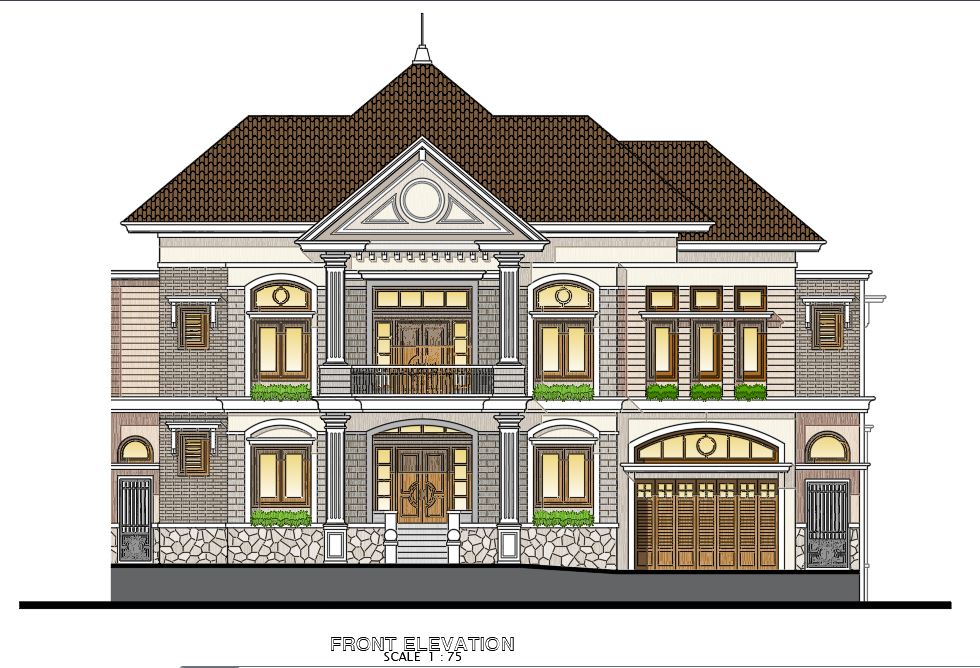
Two-Storey Residence House Design AutoCAD Drawing (2026 Modern Architectural DWG Plan for Family Homes)
 Two-Storey Residence House Design AutoCAD Drawing (Modern DWG Architecture Guide 2026)In modern architecture, residential design is becoming more functional, compact, and lifestyle-oriented. Among the most popular housing types worldwide, the two-storey residence house design stands out for its efficient space utilization, privacy separation, and modern living comfort.With the rise of digital architecture tools like AutoCAD, designers now create highly accurate and detailed DWG house plans that improve construction quality and design communication. This article explores a complete overview of two-storey residence house design, its layout structure, architectural importance, and modern design trends used in 2026.What is a Two-Storey Residence House Design?A two-storey house design is a residential building that consists of two levels: Ground Floor (Social & Living Area) First Floor (Private Bedrooms & Family Spaces) This type of design is widely used in urban and suburban housing due to its balance between space efficiency and privacy.Key Concept:It separates public and private zones within the same building structure, improving comfort and functionality.Importance of AutoCAD in House DesignAutoCAD plays a major role in modern architectural planning by providing precision-based drawings.Benefits of AutoCAD House Design: Accurate measurement control Professional architectural presentation Easy modification of design layouts Faster project execution Clear construction documentation Industry Use:Almost every architectural firm globally uses AutoCAD DWG files for residential and commercial design development.Ground Floor Layout (Social Zone Design)The ground floor is designed for daily activities and guest interaction.Common Spaces: Living Room Dining Area Kitchen Guest Bedroom (optional) Bathroom Staircase Access Outdoor Patio / Garden Area Design Purpose:The ground floor focuses on openness, connectivity, and social interaction. Modern Trend:Open-plan living spaces combining kitchen, dining, and living areas are becoming highly popular in international residential design. First Floor Layout (Private Zone Design)The first floor is dedicated to privacy and relaxation.Common Spaces: Master Bedroom Children’s Bedrooms Family Lounge Attached Bathrooms Balcony / Terrace Area Design Purpose:This level is designed to provide privacy, comfort, and peaceful living.Global Trend:Modern homes include a small family lounge on the first floor to create a private relaxation zone.Architectural Features of Modern Two-Storey HomesModern residential designs focus on both aesthetics and functionality.Key Features: Minimalist architectural style Large windows for natural light Open floor planning Efficient staircase placement Functional space zoning Modern façade design Design Approach:Architects now prioritize natural ventilation and energy efficiency in residential planning.???? Staircase Design ImportanceThe staircase is a central connecting element in a two-storey house.Common Stair Types: Straight staircase L-shaped staircase U-shaped staircase Spiral staircase (modern compact homes) Design Role:It connects both floors while also acting as a visual architectural feature.Elevation & Exterior Design ConceptExterior design plays a major role in modern residential architecture.Elements: Front elevation design Material texture combination Balcony railing design Glass and aluminium framing Roof styling  Modern Trend:Combination of glass, wood texture, and concrete finish is widely used in international residential architecture.Advantages of Two-Storey Residence DesignKey Benefits: Efficient land usage Better privacy separation More functional space allocation Suitable for small and medium plots Higher property value Modern lifestyle compatibility Usage of AutoCAD DWG House PlansTwo-storey residence DWG files are used by: Architects Civil engineers Interior designers Construction companies Real estate developers Architecture students Global Trend in Residential Architecture (2026)Modern residential architecture is evolving rapidly due to lifestyle changes.Key Trends: Smart home integration Sustainable construction materials Minimalist design language Open concept living spaces Energy-efficient layouts Modular furniture planning Final ThoughtsA Two-Storey Residence House Design AutoCAD Drawing is more than just a technical file—it is a complete architectural solution for modern living. It combines functionality, aesthetics, and structural efficiency in one design system.In 2026, residential architecture is focusing more on smart space utilization and sustainable living. A well-designed DWG plan ensures better construction quality, improved lifestyle comfort, and long-term property value. Whether you are an architect, student, or developer, mastering residential DWG design concepts is essential for modern architectural success.

2 Days Ago

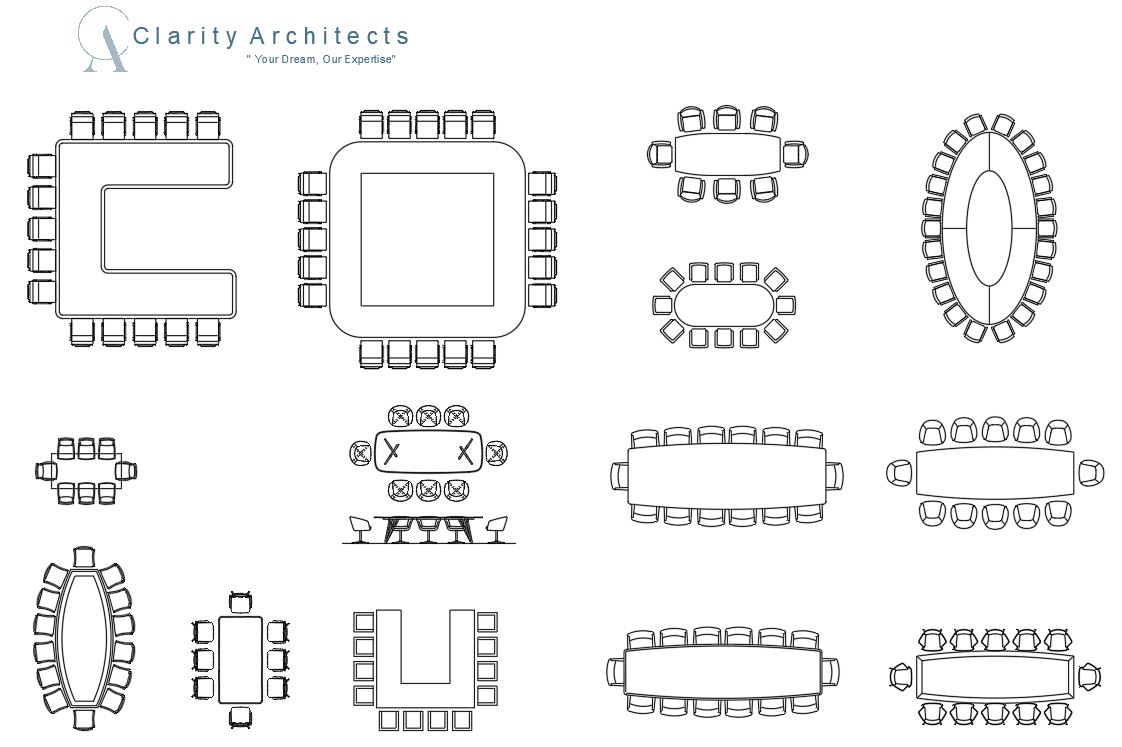
CAD Blocks: Complete Guide to Free & Premium CAD Drawing Blocks for Architects, Interior Designers & Engineers (2026 Global Standard)
CAD Blocks: The Backbone of Modern Architectural & Interior Design (2026 Guide)In the modern architecture and interior design industry, speed, accuracy, and standardization are essential. One of the most important tools that helps professionals achieve this efficiency is CAD Blocks. These reusable drawing components are widely used in AutoCAD and other drafting software to simplify complex design work.From furniture layouts to architectural symbols, CAD blocks have become a global standard for designers, engineers, and students. In 2026, the demand for high-quality DWG CAD blocks is higher than ever due to rapid growth in construction, real estate, and interior design industries.This article explains everything about CAD blocks, their types, uses, benefits, and why they are essential for modern design workflows.What Are CAD Blocks?CAD Blocks are pre-drawn, reusable design elements used in CAD software like AutoCAD. Instead of drawing objects repeatedly, designers can insert ready-made blocks into their projects.Simple Definition:A CAD block is a saved drawing component that can be reused multiple times in different designs.Example: Chair block Door block Window block Car block Kitchen sink block These elements can be inserted instantly into any floor plan or elevation drawing.Importance of CAD Blocks in Modern DesignCAD blocks play a crucial role in architectural and interior design projects. They help professionals save time and maintain consistency.Key Importance: Reduces drawing time by 70% Improves design accuracy Ensures standard measurement consistency Helps in faster project delivery Enhances presentation quality Industry Insight:In global architectural firms, CAD blocks are considered essential for project efficiency and documentation accuracy.Types of CAD Blocks Used in Architecture & Interior DesignCAD blocks come in many categories depending on project requirements.1. Furniture CAD BlocksFurniture blocks are the most commonly used CAD elements in interior design.Examples: Sofa sets Beds Dining tables Chairs Office desks Usage: Living room planning Bedroom layouts Office interior design 2. Door & Window CAD BlocksThese blocks are essential for architectural floor plans and elevations.Examples: Sliding doors Wooden doors Glass doors Aluminum windows Usage: Residential building design Commercial architecture Elevation drawings 3. Architectural CAD BlocksThese blocks include structural and architectural symbols.Examples: Stairs Columns Walls Elevation symbols Section markers Usage: Construction drawings Building planning Structural detailing 4. Vehicle CAD BlocksVehicle blocks are used for site planning and exterior layouts.Examples: Cars Buses Trucks Bikes Usage: Parking design Urban planning Landscape design 5. Kitchen CAD BlocksKitchen blocks are widely used in interior design projects.Examples: Kitchen sink Cabinets Gas stove Refrigerator Usage: Modular kitchen design Residential interior layouts 6. Landscape CAD BlocksUsed in exterior design and environmental planning.Examples: Trees Garden furniture Outdoor lights Pathways Usage: Landscape architecture Garden design Outdoor planning Benefits of Using CAD BlocksCAD blocks provide several professional advantages in design workflows.Main Benefits: Faster drafting process Improved design productivity Easy project modification Standardized drawing quality Reduced human error Better presentation output Global Use:Top architectural firms in the USA, Europe, and Asia rely heavily on CAD block libraries for project efficiency.Free vs Premium CAD BlocksThere are two main types of CAD block resources available in the market.Free CAD Blocks Available online for download Suitable for students and beginners Limited detail and quality Premium CAD Blocks High-quality professional designs Accurate scaling and detailing Used in commercial projects Includes full libraries (DWG packages) Where CAD Blocks Are UsedCAD blocks are used in multiple industries: Architecture design firms Interior design studios Construction companies Engineering projects Real estate development Student academic projects Why CAD Blocks Are Important in 2026The global design industry is evolving rapidly, and CAD blocks are becoming more advanced and essential.Key Reasons: Growing demand for modular design Fast-track construction projects Digital transformation in architecture AI-assisted CAD workflows Increased freelance design work globally CAD Blocks in Interior Design IndustryIn interior design, CAD blocks are essential for creating accurate space planning.Common Interior Uses: Furniture layout planning Kitchen design setups Lighting and electrical layouts Space optimization Example:A living room design can be completed in minutes using pre-made sofa, table, and TV unit CAD blocks instead of drawing everything manually.CAD Blocks in Architecture IndustryArchitects use CAD blocks for technical precision and construction documentation.Applications: Floor plans Sections and elevations Site planning Structural detailing Global Trend of CAD Libraries (2026)CAD libraries are becoming more advanced with cloud-based access and categorized DWG systems.Trending Features: Cloud CAD block libraries 3D CAD integration Smart parametric blocks AI-assisted design suggestions Auto-updating block systems Final ThoughtsCAD Blocks are one of the most powerful tools in modern architecture and interior design. They improve productivity, ensure accuracy, and help professionals complete projects faster.In 2026, CAD block libraries are not just a design tool—they are a complete digital resource system that supports architects, engineers, and designers worldwide. Whether you are a student, freelancer, or professional designer, mastering CAD blocks will significantly improve your design workflow and project quality.

2 Days Ago

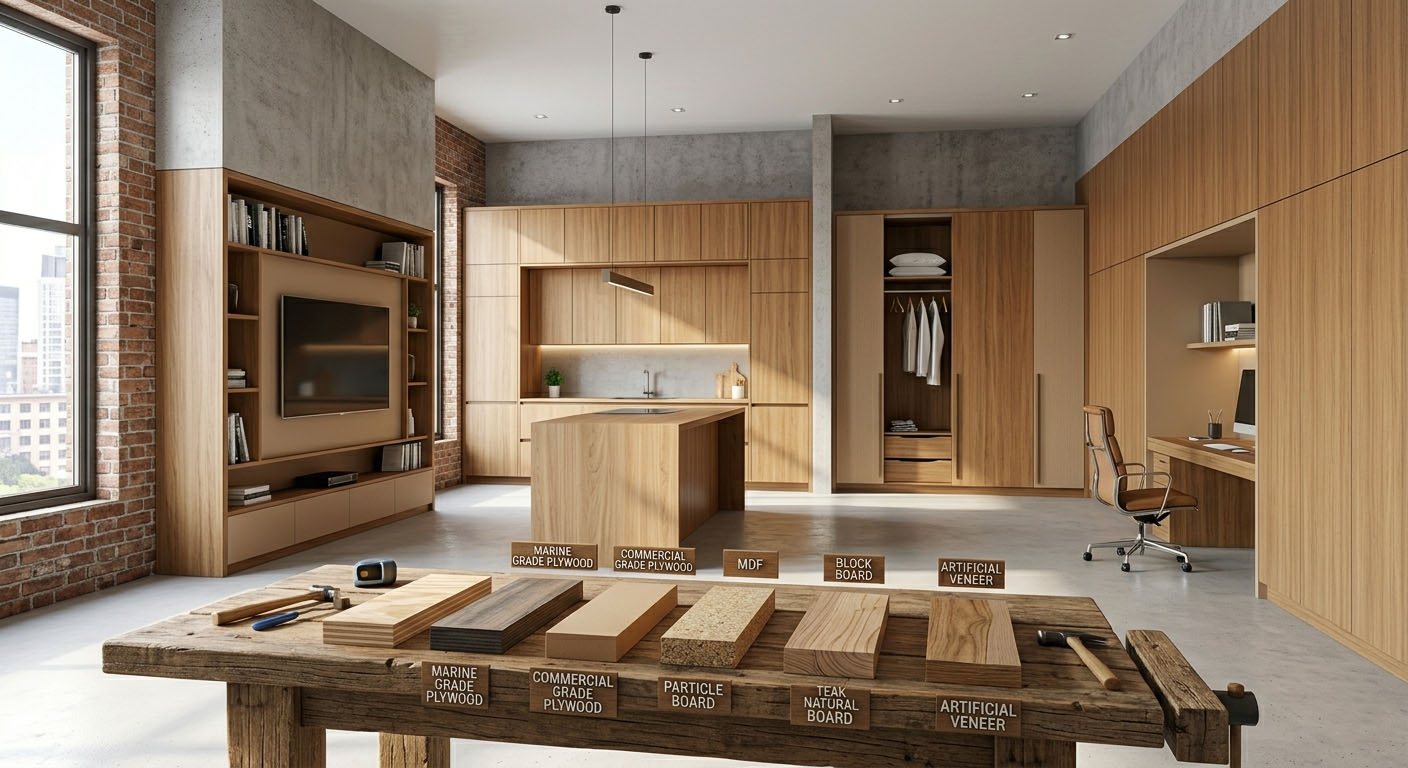
Top Interior Trading Materials in 2026: Modern Construction & Interior Design Trends for Homes, Offices & Commercial Spaces
Top Interior Trading Materials in 2026: Global Trends in Modern Interior DesignInterior design in 2026 is no longer just about beauty—it is a combination of durability, sustainability, cost efficiency, and modern lifestyle needs. Across global markets, architects, designers, and construction professionals are increasingly choosing materials that are long-lasting, eco-friendly, and visually premium.Whether it is residential homes, luxury apartments, corporate offices, or commercial spaces, interior trading materials play a crucial role in defining the final look and performance of a space. This article explores the most in-demand interior materials used worldwide in modern construction and interior design industries.1. Wood-Based Interior Materials (Core Structural Choice)Wood-based materials remain the backbone of interior design. These materials are widely used due to their flexibility, affordability, and design adaptability. Popular Wood Materials: Plywood (Commercial & Marine Grade) MDF Board (Medium Density Fiberboard) Particle Board Block Board Veneer Sheets (Natural & Artificial) Usage Areas: Kitchen cabinets Wardrobes TV units Office furniture Wall paneling systems Global Trend Insight:In international markets, moisture-resistant MDF and marine plywood are highly preferred due to humidity control and long-term durability. Designers are also combining veneer finishes with matte laminates for premium interiors.2. Decorative Surface Materials (Aesthetic Upgrade Layer)Decorative materials define the visual identity of interior spaces. These materials are widely used for finishing and styling furniture and walls.Key Materials: HPL (High Pressure Laminate) PVC Laminates Acrylic Sheets (Glossy Finish) Decorative Veneers 3D Wall Panels (PVC & Gypsum) Applications: Modular kitchens Bedroom furniture Reception counters Feature walls Commercial interiors Trend Direction:In 2026, matte finish laminates and stone-texture HPL sheets are dominating global interior projects. Minimalist design preference is pushing demand for soft-tone finishes like beige, ivory, grey, and walnut wood textures.3. Ceiling & Wall Construction MaterialsCeiling systems are now an essential part of modern interior design, improving both aesthetics and functionality.Common Materials: Gypsum Board Ceiling POP (Plaster of Paris) Metal Frame False Ceiling Systems Acoustic Panels Usage Areas: Offices Hotels Living rooms Restaurants Conference halls Industry Insight:Acoustic panels are becoming extremely popular in commercial spaces due to noise reduction requirements. Meanwhile, gypsum board ceilings are widely used for their smooth finish and easy installation.4. Furniture Finishing Materials (Premium Look Creation)The finishing layer determines the luxury feel of furniture and interiors.Major Finishing Materials: PU (Polyurethane) Paint Duco Paint Melamine Polish Lamination Finish Systems Applications: Luxury wardrobes Kitchen cabinets Office furniture Interior doors Modern Trend:High-gloss PU finish is still used in luxury projects, but globally there is a shift toward soft matte and natural wood finish textures for a more organic interior feel.5. Glass & Metal Interior Materials (Modern Structural Style)Glass and metal combinations are widely used in modern architecture due to their sleek and minimal appearance.Common Materials: Tempered Glass Frosted Glass Aluminum Profiles Stainless Steel (SS 304 / SS 202) Applications: Office partitions Stair railings Kitchen cabinets Shower enclosures Façade interiors Global Trend:Black matte aluminum profiles with clear glass partitions are becoming standard in modern office interiors worldwide. This design gives a clean, premium, and open-space feel.6. Flooring Materials (High Demand Segment)Flooring is one of the most important elements of interior design because it defines the comfort and durability of a space.Popular Flooring Options: SPC Flooring (Stone Plastic Composite) Vinyl Flooring Engineered Wood Flooring Ceramic Tiles Porcelain Tiles Usage: Residential homes Apartments Offices Retail shops Hotels Trend Insight:SPC flooring is rapidly growing in global markets due to its waterproof nature, scratch resistance, and easy installation system. It is now replacing traditional wooden flooring in many countries.7. Eco-Friendly & Smart Interior Materials (Future of Design)Sustainability is a major focus in modern architecture.Innovative Materials: Bamboo Panels Recycled Wood Boards Low-VOC Paints Smart Glass (Tinted / Switchable Glass) Micro cement Wall Finishes Future Trend:Smart glass technology is gaining popularity in high-end offices and luxury homes. It allows users to control transparency with electrical signals, improving privacy and energy efficiency.Applications of Interior Trading MaterialsThese materials are used across different sectors: Residential Homes Luxury Villas Corporate Offices Hotels & Resorts Shopping Malls Restaurants & Cafes Educational Institutions Each space requires a unique combination of materials depending on durability, aesthetics, and budget.Why Interior Trading Materials Market is Growing GloballyThe global interior materials market is expanding rapidly due to: Urbanization and smart city projects Rising demand for modular furniture Growth in real estate and housing sector Increasing awareness of interior aesthetics Technological advancement in material production Eco-friendly construction demand Final ThoughtsInterior trading materials are the foundation of modern design and construction. In 2026, the industry is shifting toward sustainability, minimalism, and smart material technology. From plywood and MDF to SPC flooring and smart glass, each material plays a crucial role in creating functional and visually appealing spaces. For architects, designers, and builders, understanding these materials is essential to deliver modern, international-standard interior projects that meet both aesthetic and performance expectations.

2 Days Ago

All blogs